A Life Devoted to Understanding How the Human Body Heals
How do we help the human body heal?
I did not choose medicine to build a career. I chose it because I could not look away from suffering.
I still remember my first patients — some of them children — whose courage was far larger than anything medicine could offer them. I could not save them all. That has never left me, and it is where this whole journey began.
My faith taught me to serve without needing to see where the work would lead: to honor the dignity of every person, and to trust that compassion itself is part of the healing.
People sometimes ask whether I feel I have done enough. I don't. But I have done what I believe I was meant to do — and when I look back, the book of my life is not empty. It is full of people.
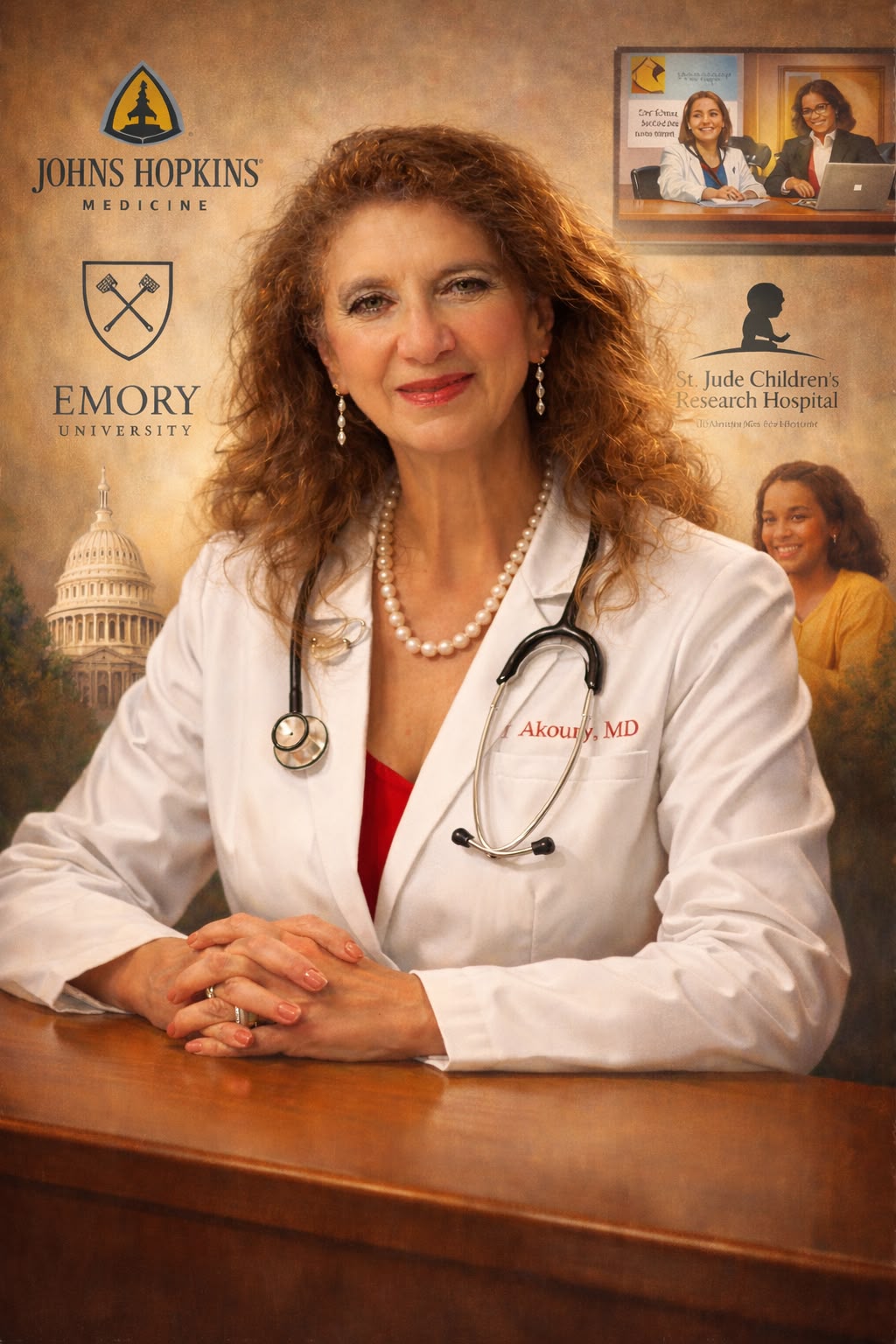
A Life Devoted to Transformative Healing
Dr. Dalal Akoury's story begins not with a title, but with children. Fellowship-trained in Pediatric Hematology and Oncology at St. Jude Children's Research Hospital and Emory University, she learned early what it means to care for patients whose lives hang in the balance. That experience changed the direction of her career — and taught her that medicine must treat the whole person, never the disease alone.
As an NIH-funded researcher, she studied leukemia, molecular biology, and early diagnostic methods — questions that would shape a lifelong fascination with the metabolic and cellular conditions beneath illness. Those years of research and practice eventually led to the creation of AWAREmed, a center devoted to complex illness, where she has cared for patients others had given up on.
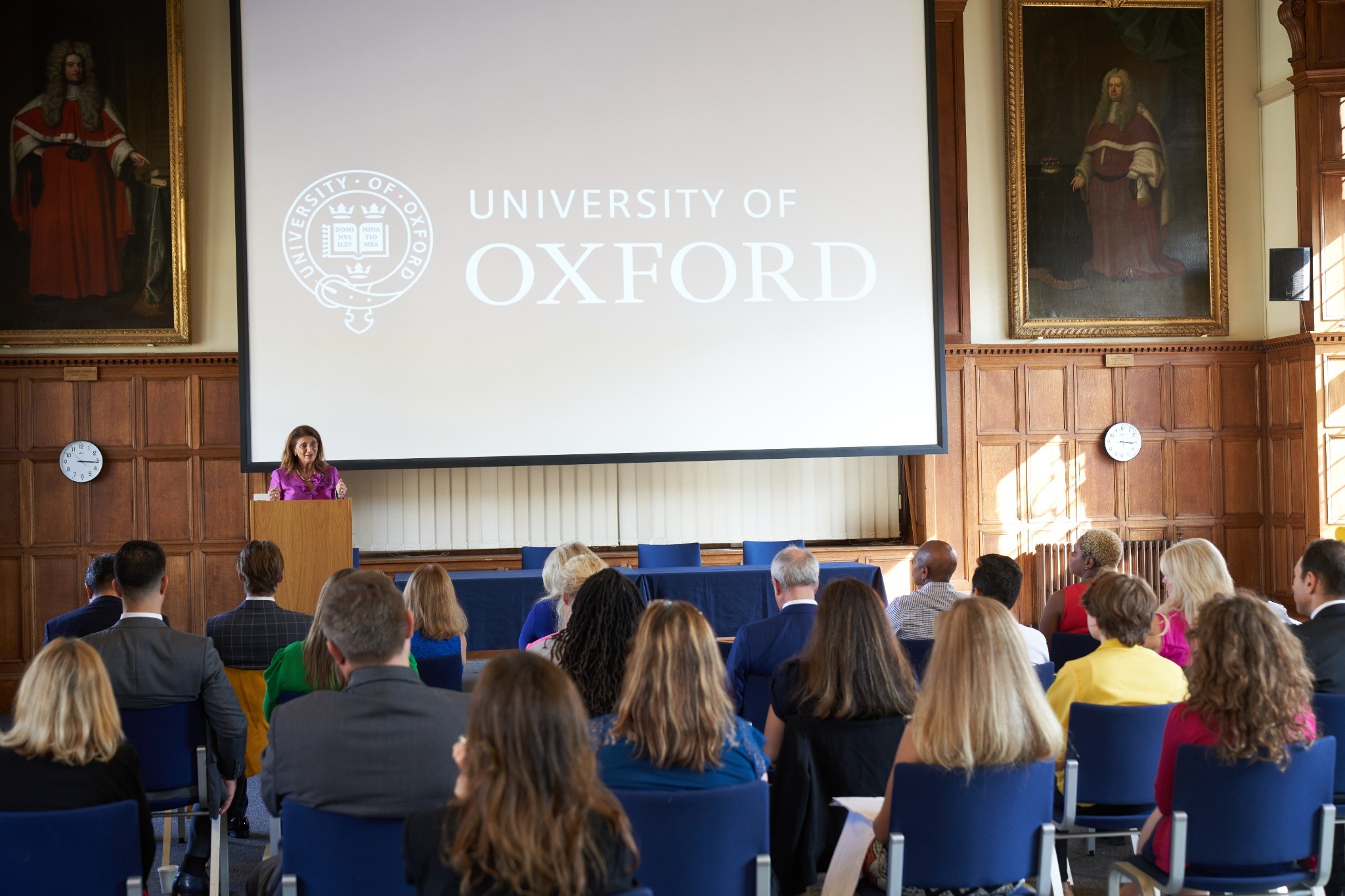
Along the way she became a ten-time internationally published author and a teacher to physicians across five continents — lecturing before the New York Academy of Medicine, Oxford, Cambridge's Churchill College, the Royal Society of Medicine, and the London Stock Exchange. Her aim now is not another clinic, but something larger: to build knowledge and systems that will still help people long after her.
One Mission. Three Ways of Serving.
Dr. Akoury's work extends beyond the clinic — serving patients seeking answers, clinicians seeking deeper understanding, and communities seeking a more humane vision of medicine.
For Patients & Families
Advanced, individualized care for cancer, chronic illness, metabolic dysfunction, hormonal imbalance, pain, neurobiological disease, and complex health journeys.
Explore Patient Care →For Physicians & Health Leaders
Medical education, clinical frameworks, mentorship, and systems thinking designed to help practitioners understand the terrain beneath disease.
Discover the Framework →For the Public & Global Community
Books, media, lectures, and accessible teaching that translate complex biology into knowledge people can use to make wiser decisions.
See Media & Speaking →I have never studied specialties. I have followed questions.
Each question has led to a field of study — and each field, back to the same conviction: that the person, not the diagnosis, is where medicine must begin.
Why does disease develop so differently in different people?
How does metabolism influence the way we heal?
What is it that creates true resilience in the body?
How do science and compassion work together?
What lies beneath addiction — and how do we truly recover?
Can medicine become more personal than it is today?
Every chapter of my career began with curiosity — rather than certainty.
Beyond the Diagnosis: Restoring the Terrain of Health
Dr. Akoury's approach asks a different question. Not only, "What disease does this person have?" but also, "What biological conditions allowed the disease to emerge, persist, or progress?"
This perspective does not reject conventional medicine. It seeks to place it within a more complete model that considers metabolism, cellular energy, inflammation, immune signaling, hormones, the nervous system, and the patient's lived experience.
Every plan remains individualized, medically responsible, and based on the person in front of us.
Metabolic & Mitochondrial Health
Examining energy production, nutrient signaling, insulin biology, oxidative stress, and the metabolic environment surrounding illness.
Immune & Inflammatory Regulation
Understanding the balance between defense, repair, chronic inflammation, infection, and immune exhaustion.
Hormonal & Neurobiological Balance
Addressing hormonal communication, stress physiology, cognition, sleep, mood, pain, and the gut–brain connection.
Regeneration, Resilience & Meaning
Supporting recovery while respecting the influence of movement, relationships, environment, purpose, faith, and hope.
Five Principles That Have Never Changed
They are not slogans. They are the convictions that have guided four decades of practice, research, and teaching.
Healing begins with understanding the person — not the diagnosis alone.
Science and compassion belong together; neither is complete without the other.
Education empowers healing — what we teach outlives what we treat.
Every patient deserves dignity, attention, and the whole of our care.
Hope and evidence are not opposites. The best medicine holds both.
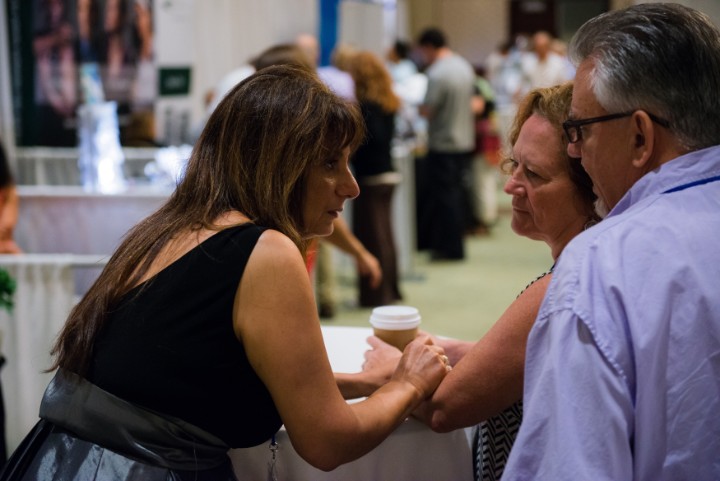
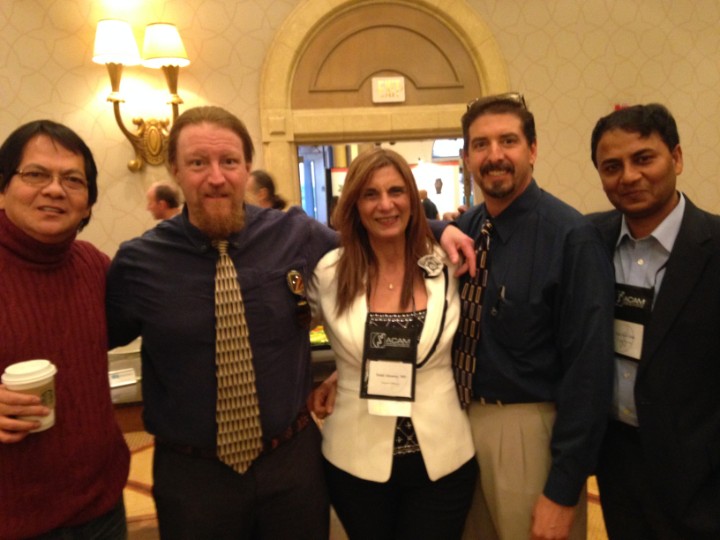
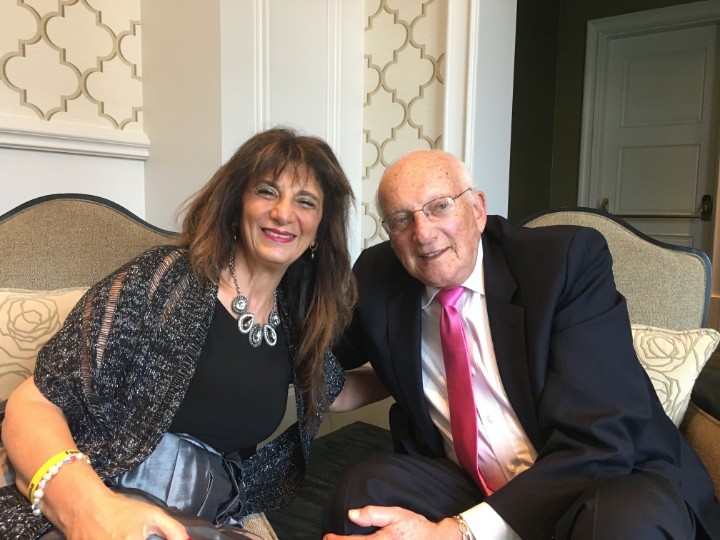
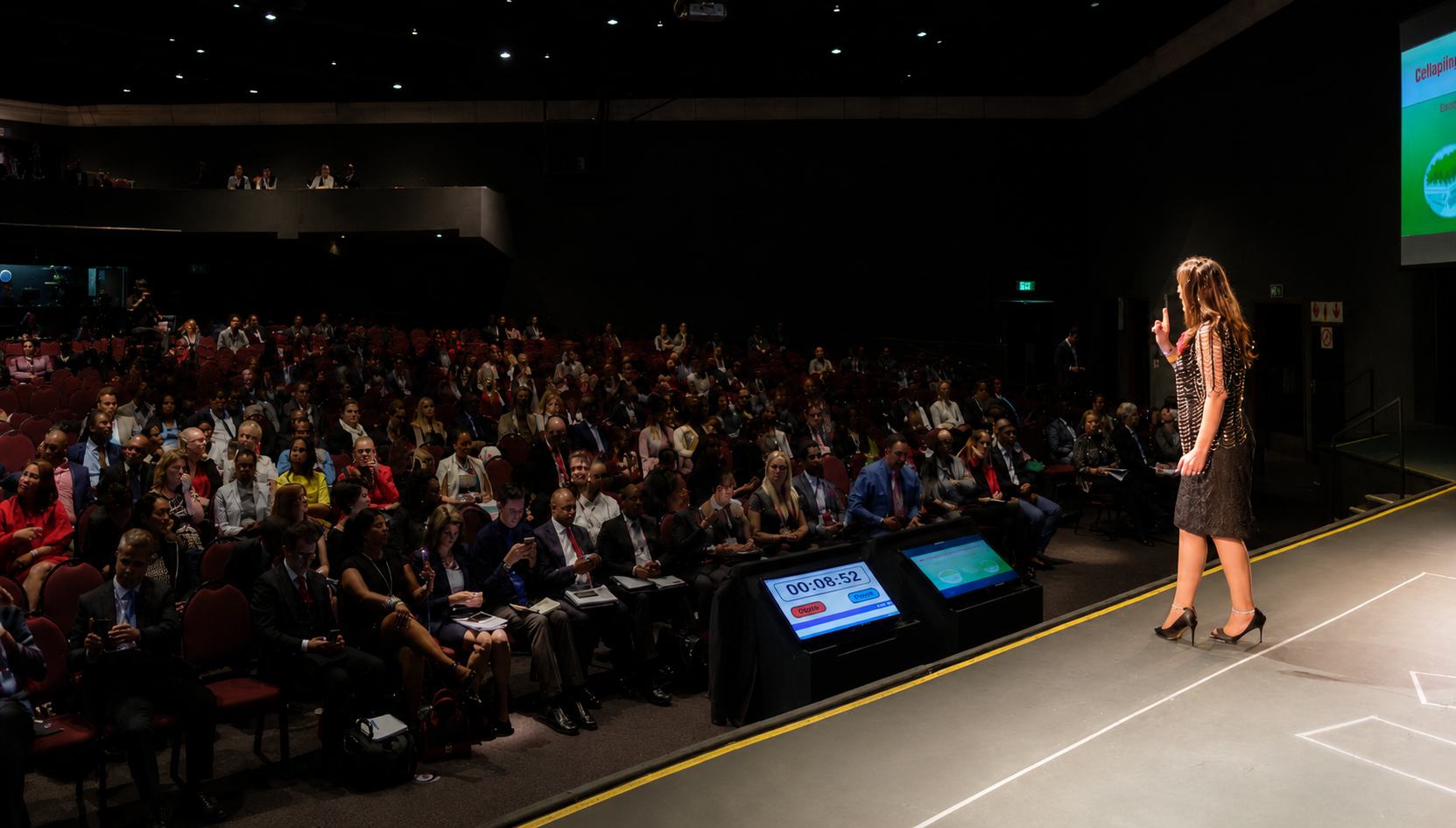
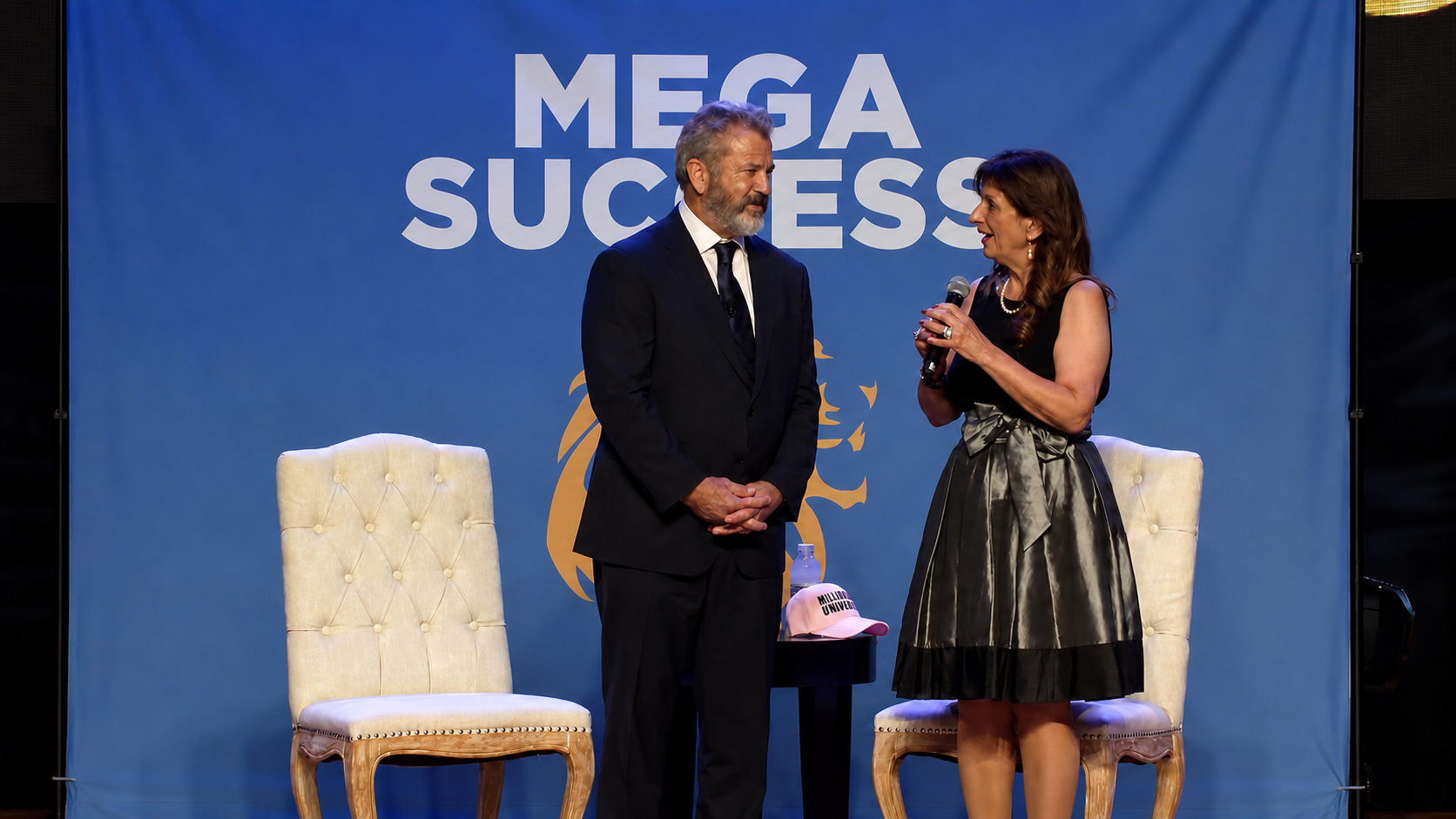
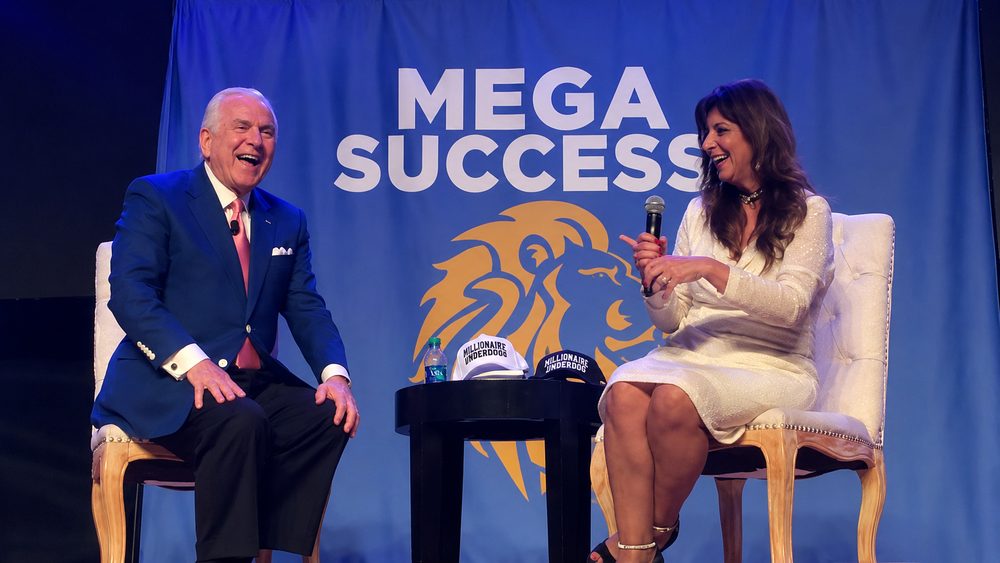
Moments Along the Way
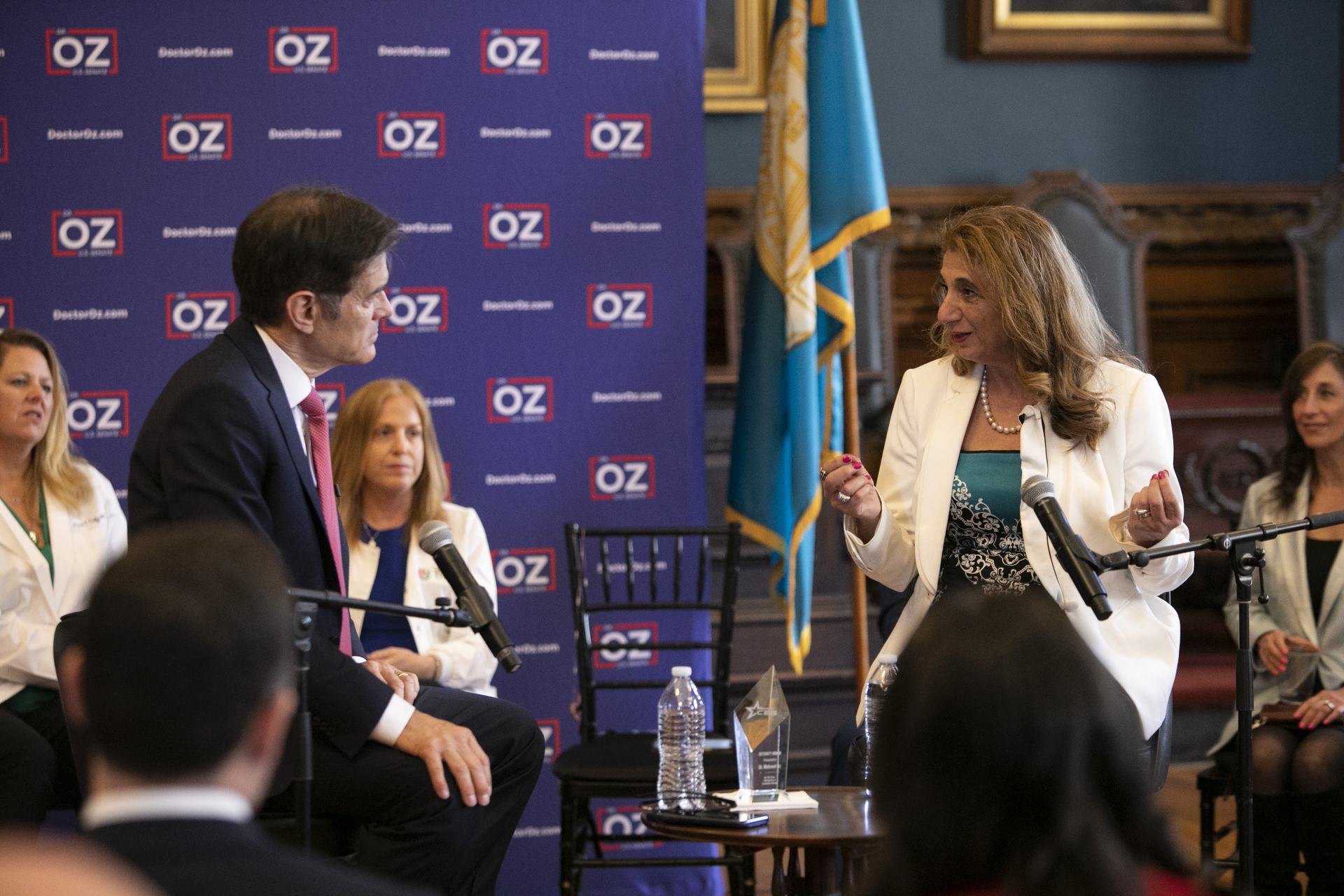
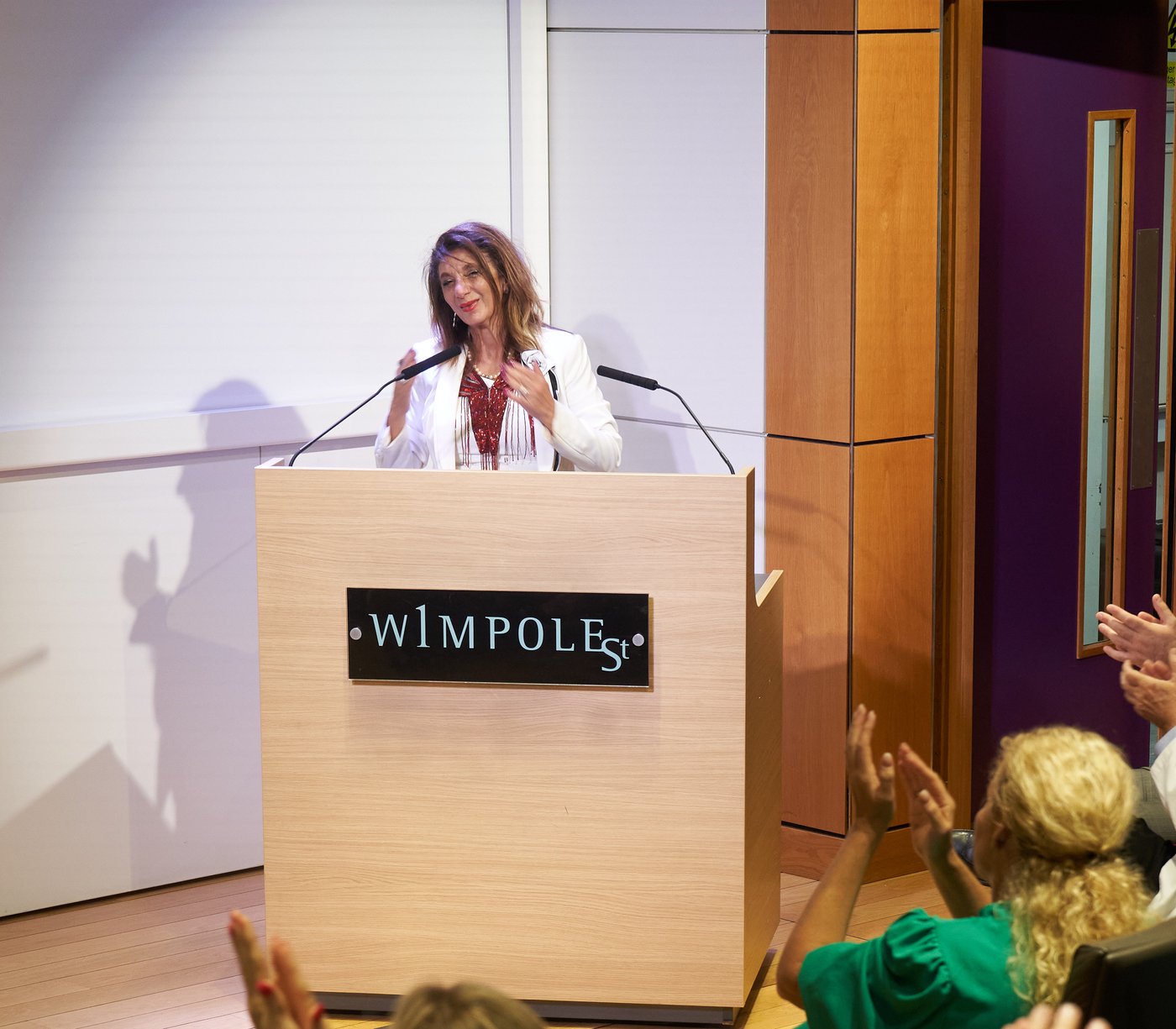
From international podiums to quiet conversations between the sessions — four decades of teaching, listening, and learning.
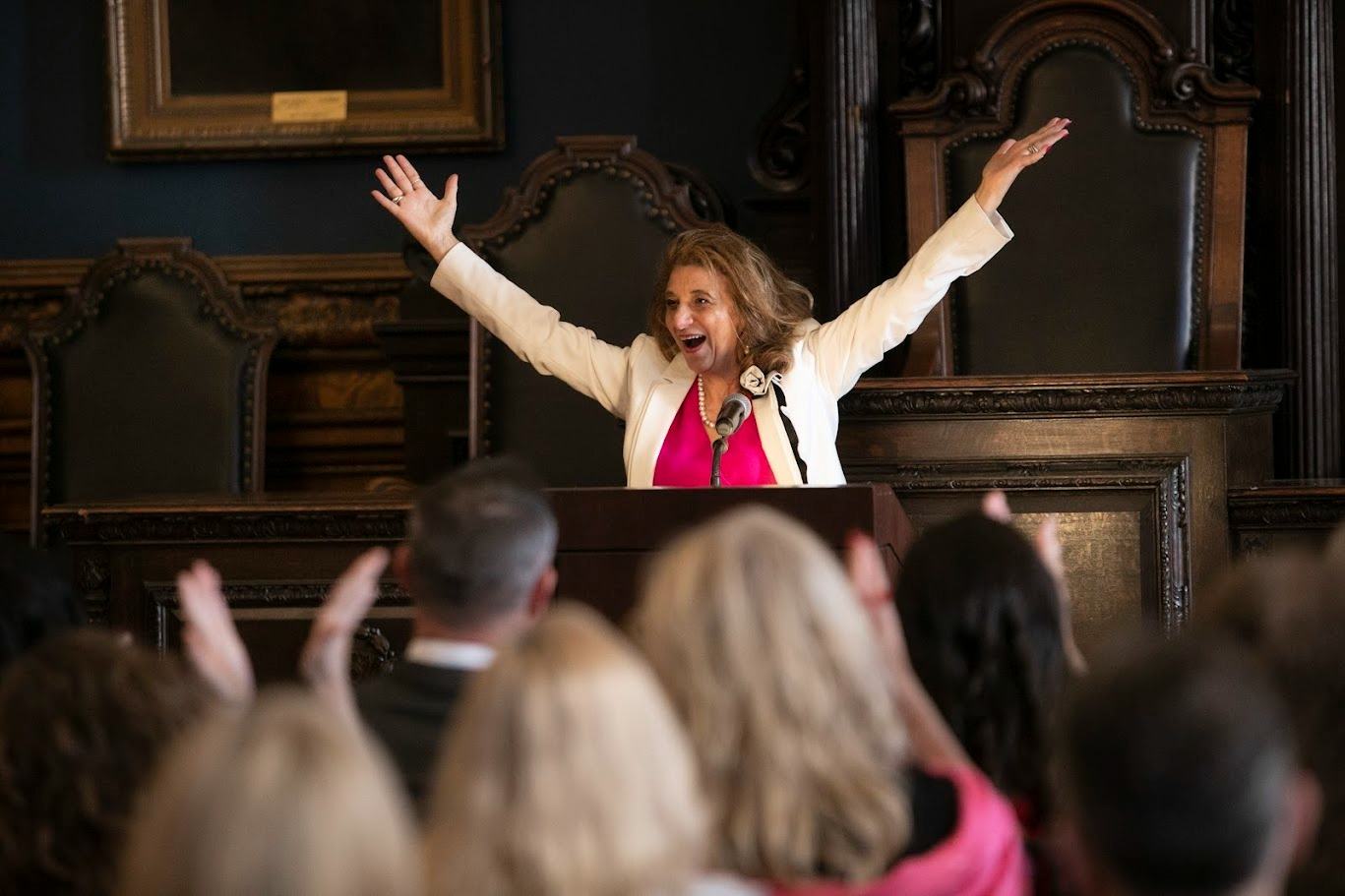
Forty Years, Told as a Story
Not a chronology of credentials, but the chapters of a life spent asking how healing truly happens.
The decision to spend a life in service
Medicine was never a profession she fell into. It was a calling — a conviction that the highest use of a life is to relieve suffering and restore dignity. That conviction would carry her through decades of training, research, and practice.
Learning that treating disease and healing a person are not the same
Her fellowship in Pediatric Hematology and Oncology placed her beside children whose lives hung in the balance — and changed the way she understood medicine forever.
"I still remember one little girl during my fellowship. Medicine could not promise her recovery — but she taught me that treating an illness and healing a person are not always the same. I have never forgotten her."
Asking what lies beneath the disease
As an NIH-funded researcher, she studied leukemia, molecular biology, and early diagnostic methods. The laboratory sharpened her discipline — and planted a question she has never stopped pursuing: what biology allows disease to take hold, and what allows the body to recover?
A place for the patients others had given up on
Those years of research and practice eventually led to the creation of AWAREmed — a center built to care for complex illness by integrating conventional medicine with metabolism, cellular biology, and whole-person care. It became the home for everything she had learned.
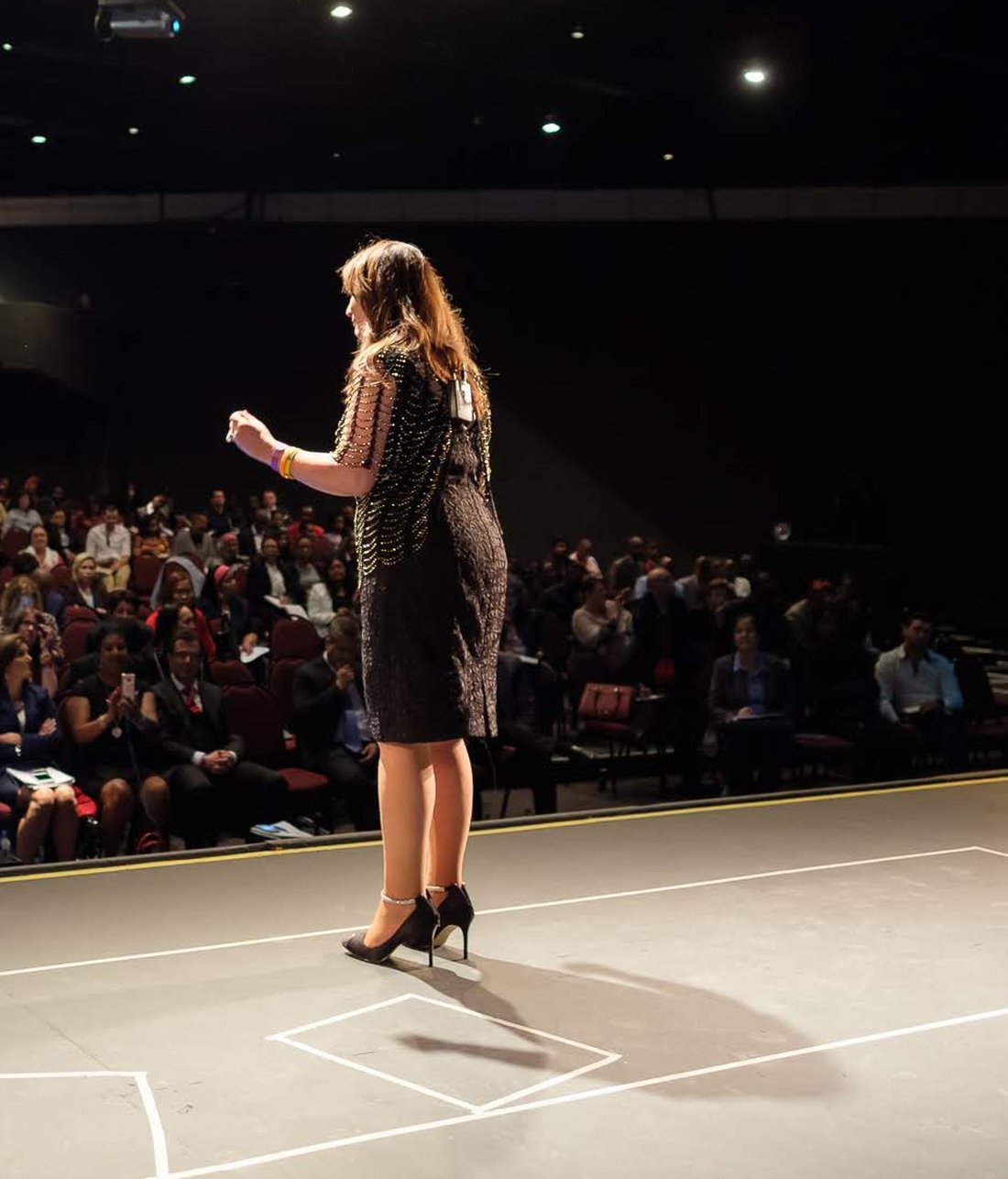
Carrying the message to five continents
What she had learned, she began to give away. She lectured before the New York Academy of Medicine, Oxford, Cambridge's Churchill College, the Royal Society of Medicine, and the London Stock Exchange — teaching physicians to see the terrain beneath disease.
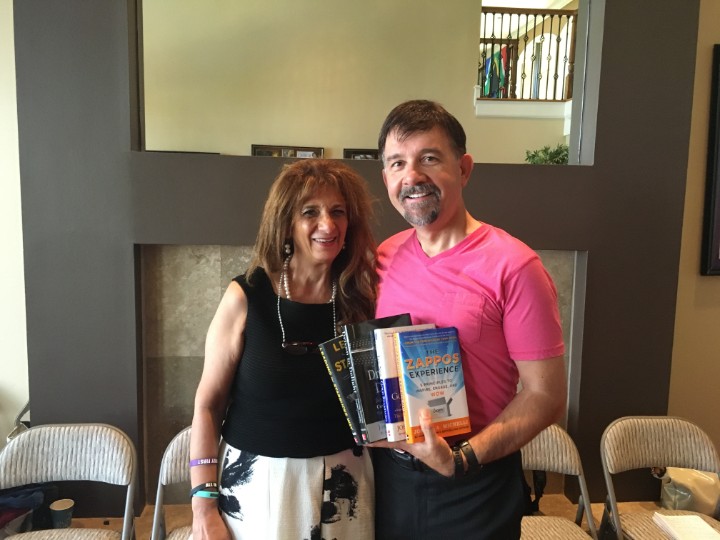
Putting a lifetime of work on the page
A ten-time internationally published author, she has written to make complex medicine clearer — for patients seeking understanding and for physicians seeking a deeper framework. Her writing is how her work reaches beyond any single clinic or classroom.
The work that still lies ahead
Today her focus turns to what comes next: a forthcoming textbook on metabolic oncology, the training of a new generation of physicians, and the building of durable institutions. She believes her most meaningful work may still be in front of her.
Not What I Taught Them — What They Taught Me
That courage has nothing to do with age.
That people do not want to be treated. They want to be understood.
That sometimes the most important thing a doctor can do is sit down and listen.
A Body of Work Still Being Written
Scholarship has never been the record of a finished career — for Dr. Akoury it remains an active practice. Her work as researcher, author, and educator continues today.
Peer-Reviewed Publications
Scientific work spanning oncology, molecular biology, and the physiology of chronic and complex disease — the research foundation beneath four decades of practice.
Books & Public Scholarship
A ten-time internationally published author, translating complex medicine into books, chapters, and patient education for a global readership.
A Metabolic Oncology Textbook
A forthcoming textbook drawing a lifetime of clinical and scientific work into a single rigorous reference for physicians.
Scientific Lectures
Ongoing teaching before academic societies and international congresses across five continents.
Research Interests
Cancer metabolism, cellular and mitochondrial health, regeneration, and precision, individualized medicine.
One Founder. A Whole Ecosystem.
Six independent instruments of a single vision — each with its own purpose, all leading back to one founder.
The clinical home — an integrative-medicine platform built and refined across four decades in the United States.
The Integrative Addiction & Medical Institute — advancing research, standards, and whole-system care.
A multi-continent physician program transferring knowledge to a new generation of clinicians.
A tested, documented franchise model for regional deployment in new markets.
Educating and equipping the founders building the future of integrative healthcare.
Whole-person longevity and aesthetics at the highest standard of care and experience.
Sharing What I've Learned
Lectures and medical education delivered to audiences on five continents — a career spent teaching physicians in integrative, functional, and metabolic medicine.
Moments from the Journey
A visual record of four decades on the world's medical stages — photographs to be added here as they're archived.
Integrative Medicine Principles: Dr. Dalal Akoury at Oxford University, England.
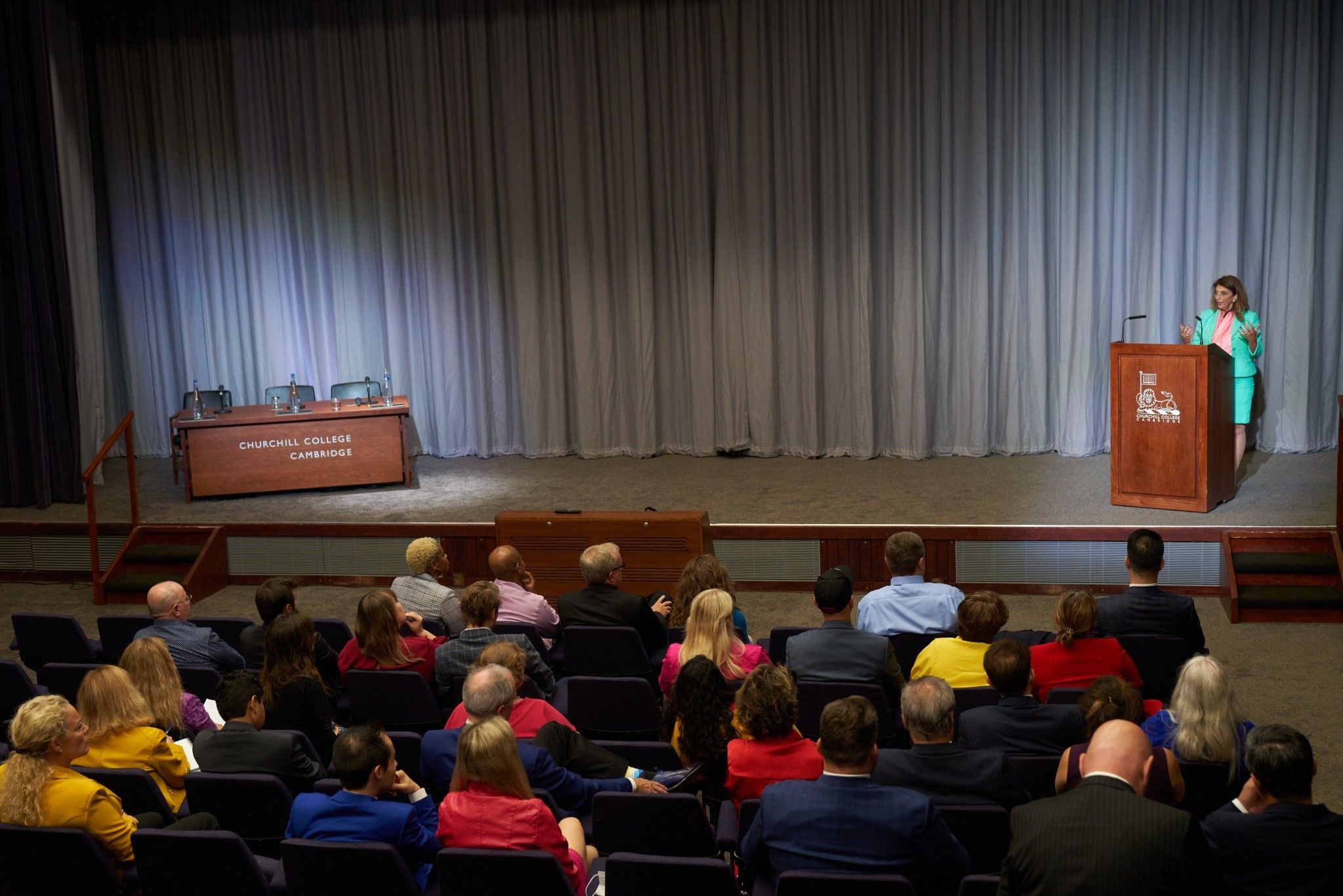
Dr. Dalal Akoury on Western Medicine, Churchill College, Cambridge.
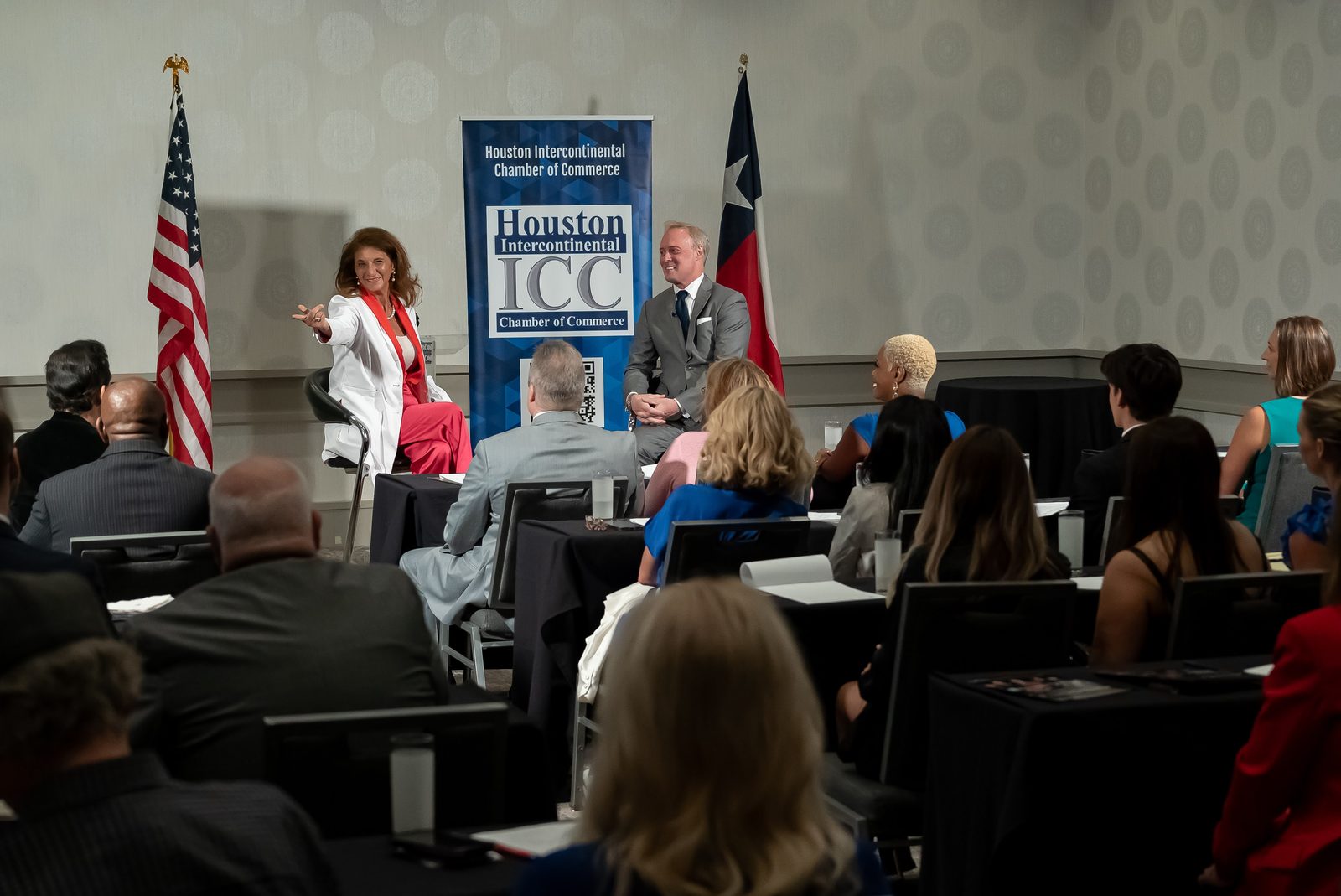
Dr. Dalal Akoury on Holistic Patient Care Talk at Houston Intercontinental Chamber of Commerce.
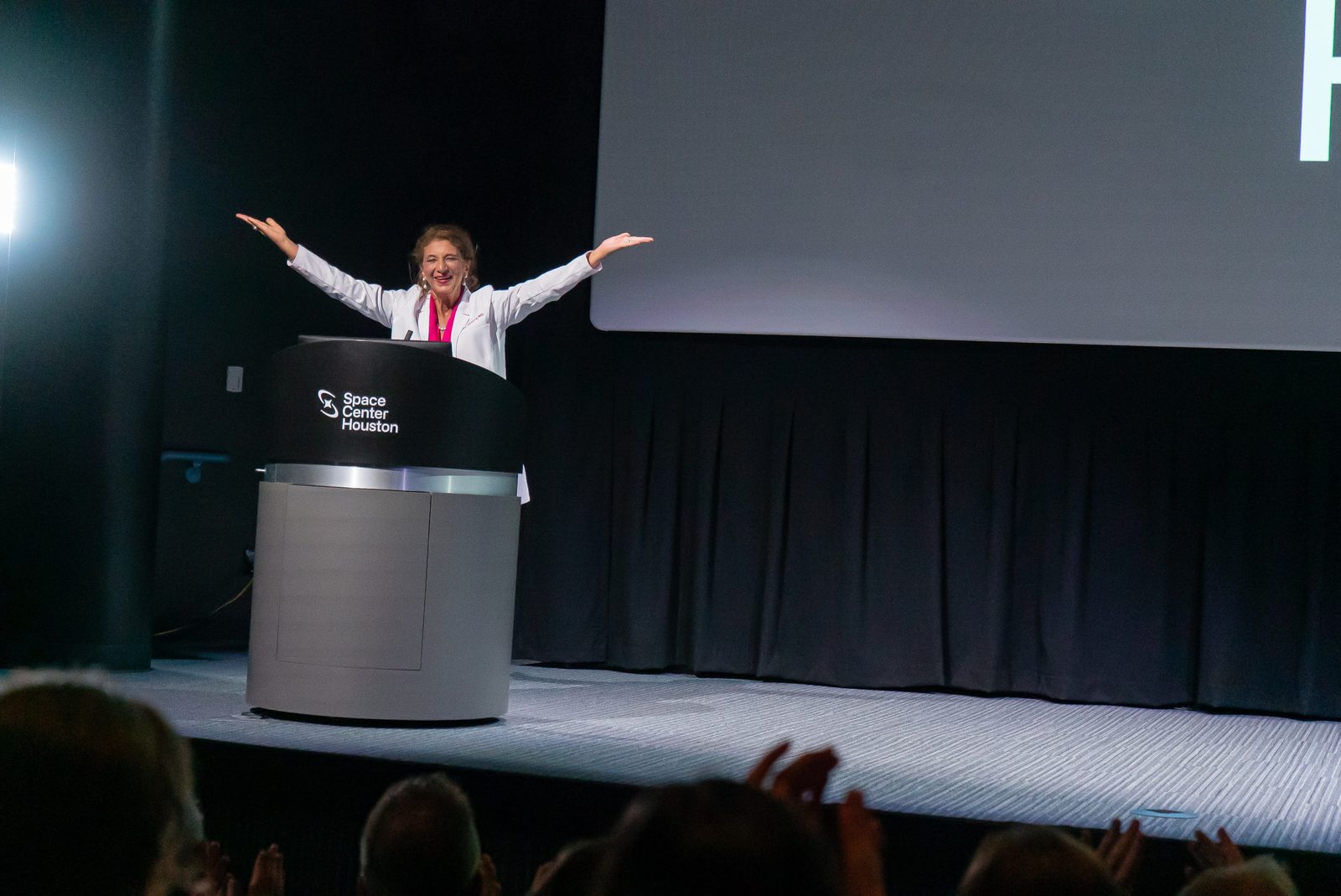
Safer Integrative Treatment: Dr. Dalal Akoury at Space Center Houston.
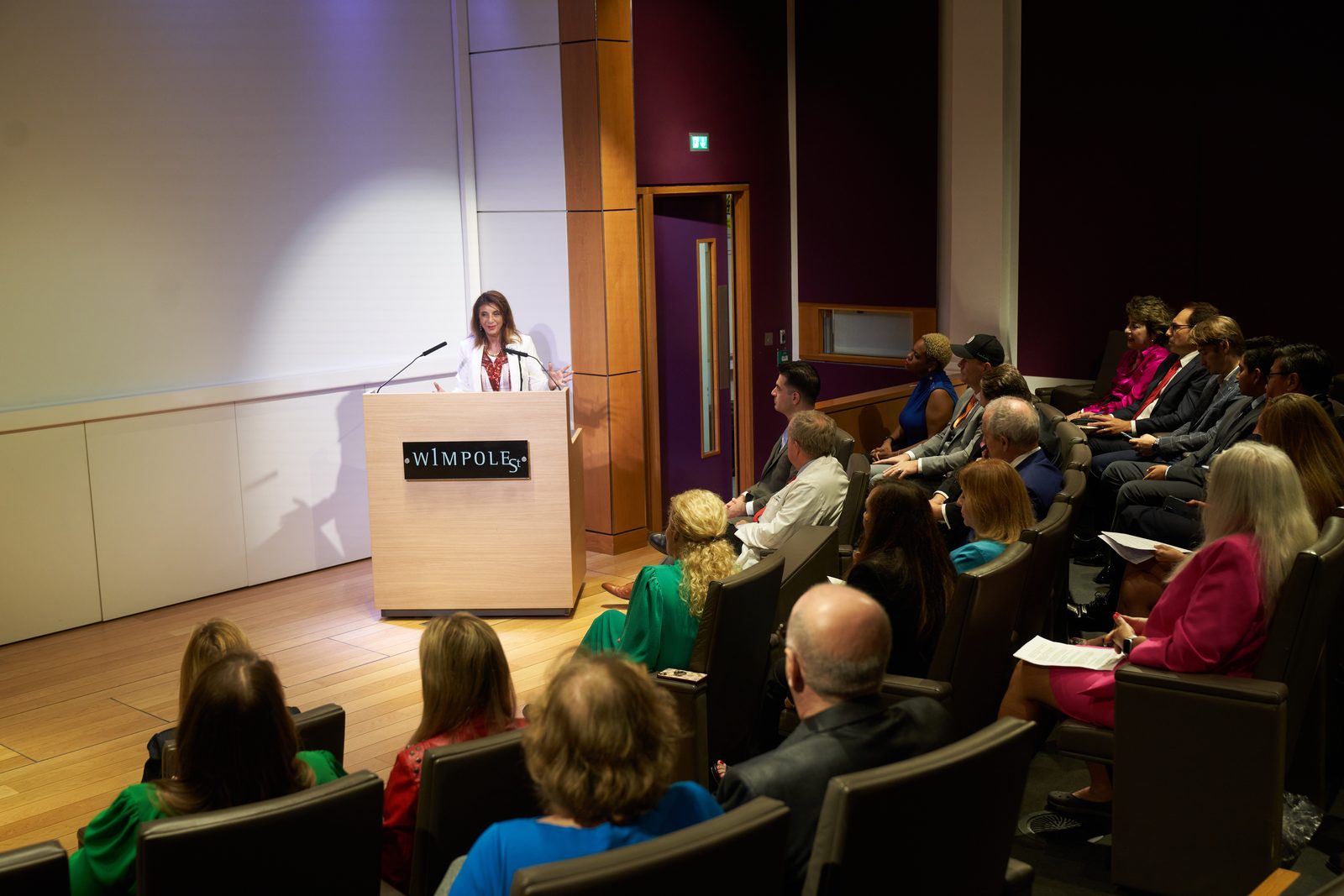
Dr. Dalal Akoury on Safer Treatments Through Precision Care at Royal Society of Medicine, London.
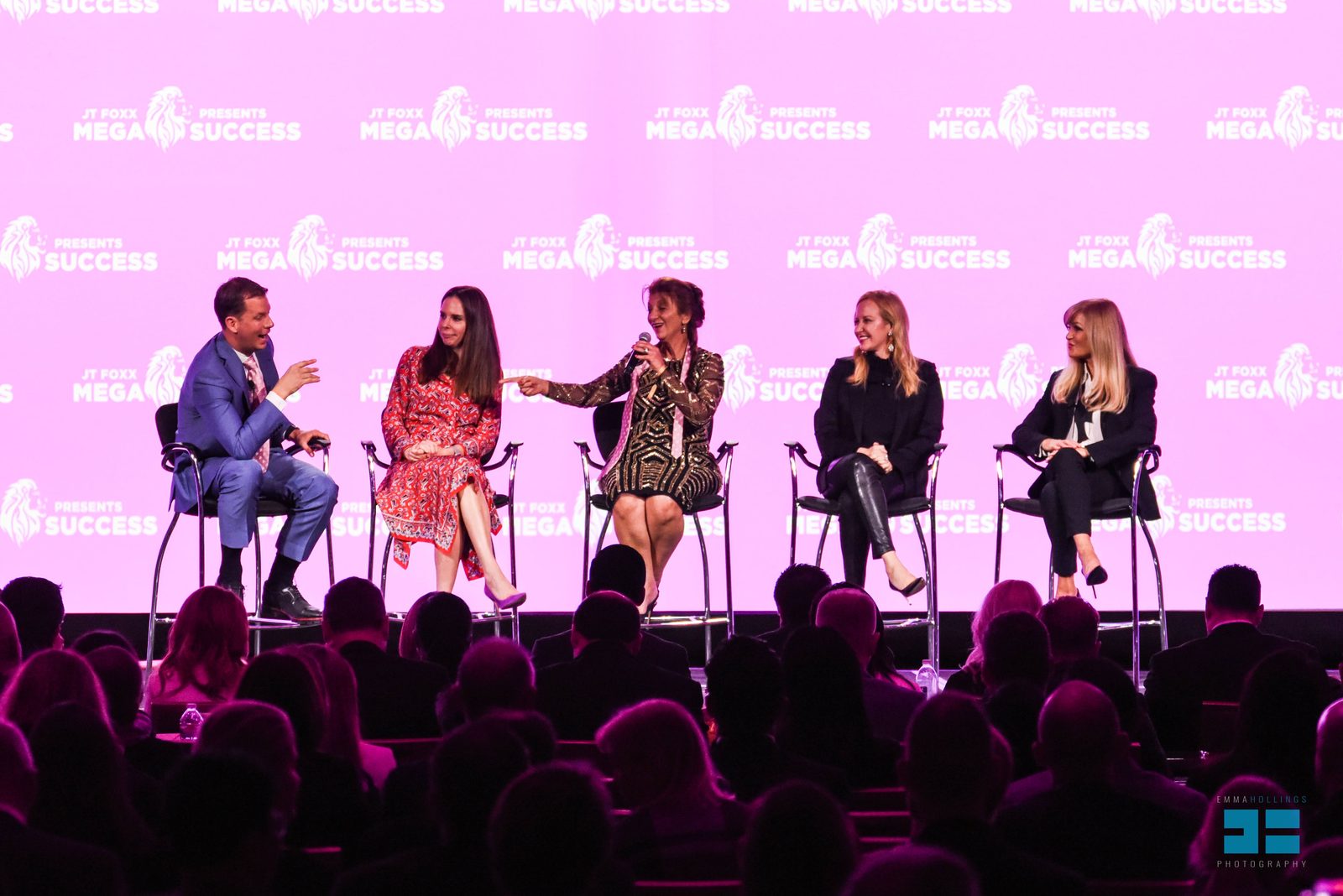
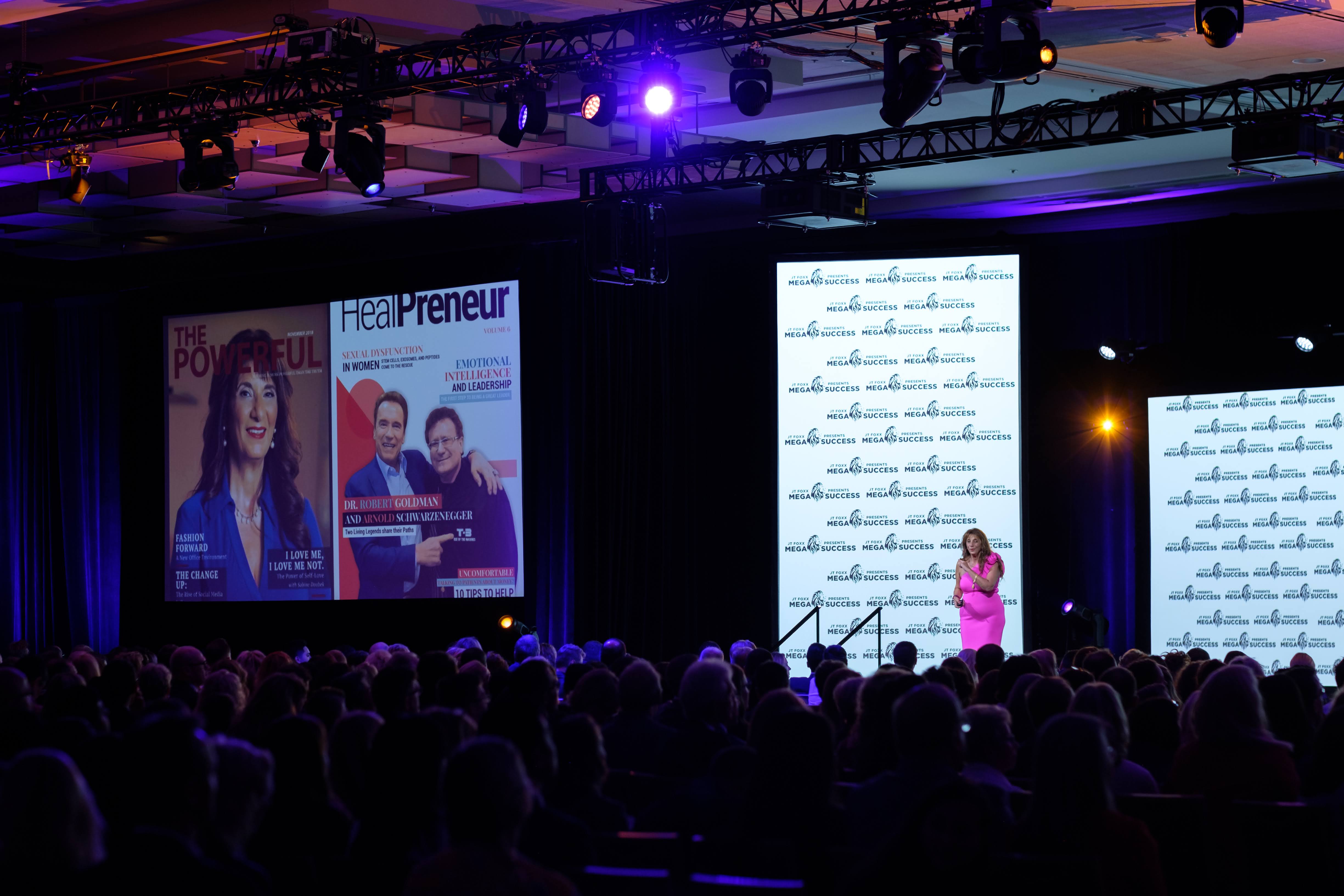
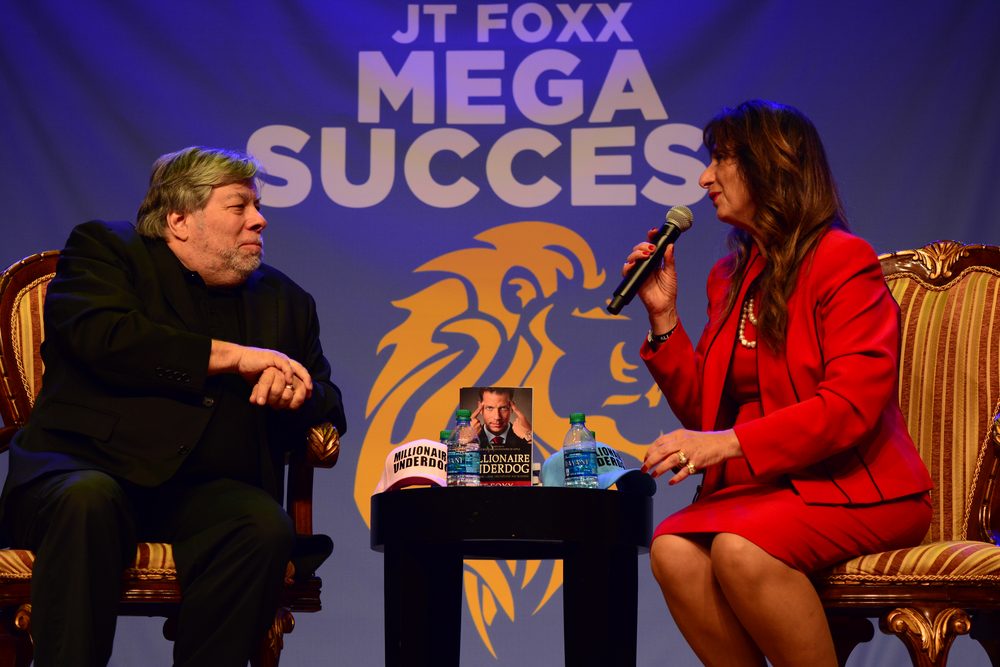
Dr. Dalal Akoury speaking on a panel at the Mega Success event to an audience of 2,000, sharing her technique for feeling better.
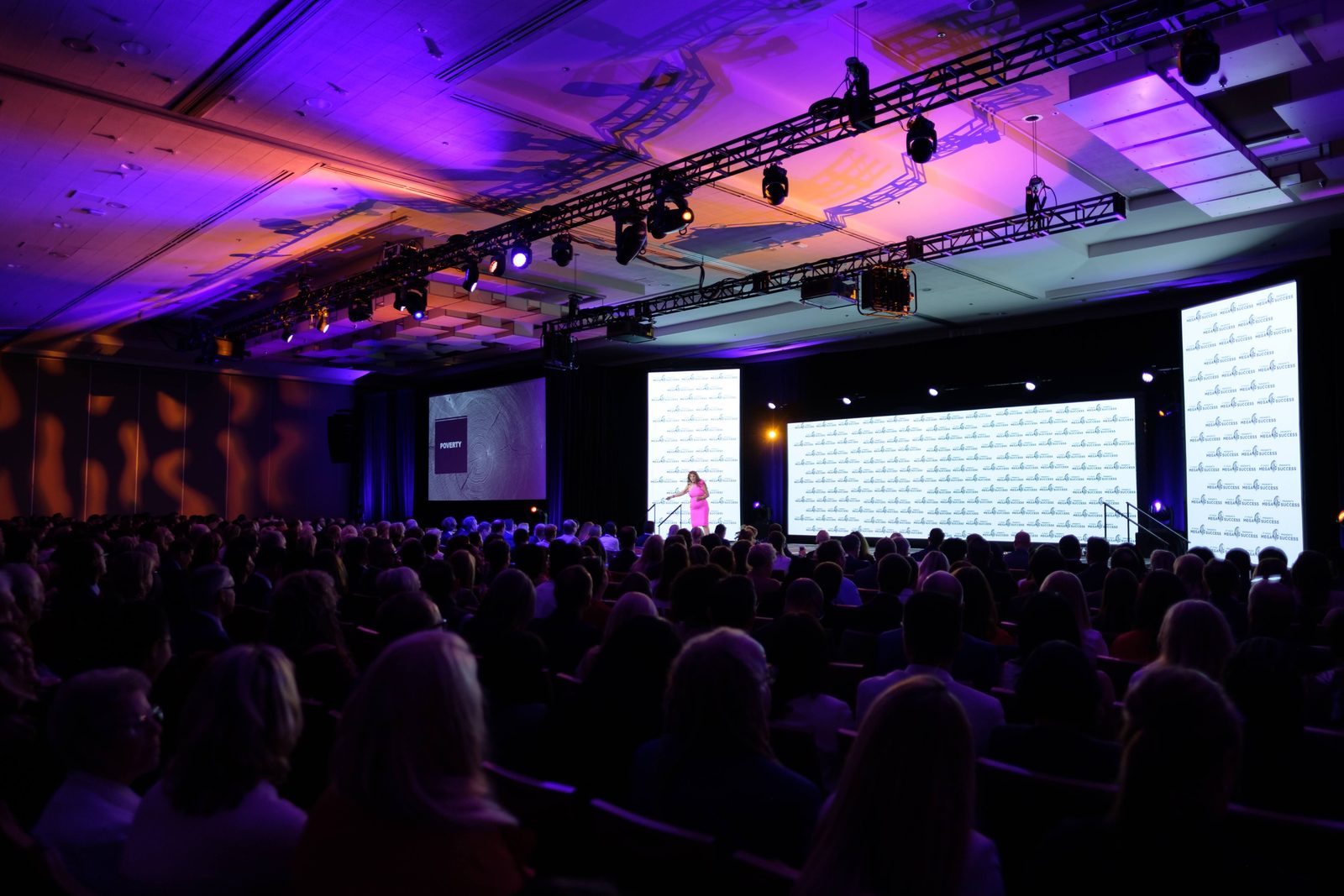
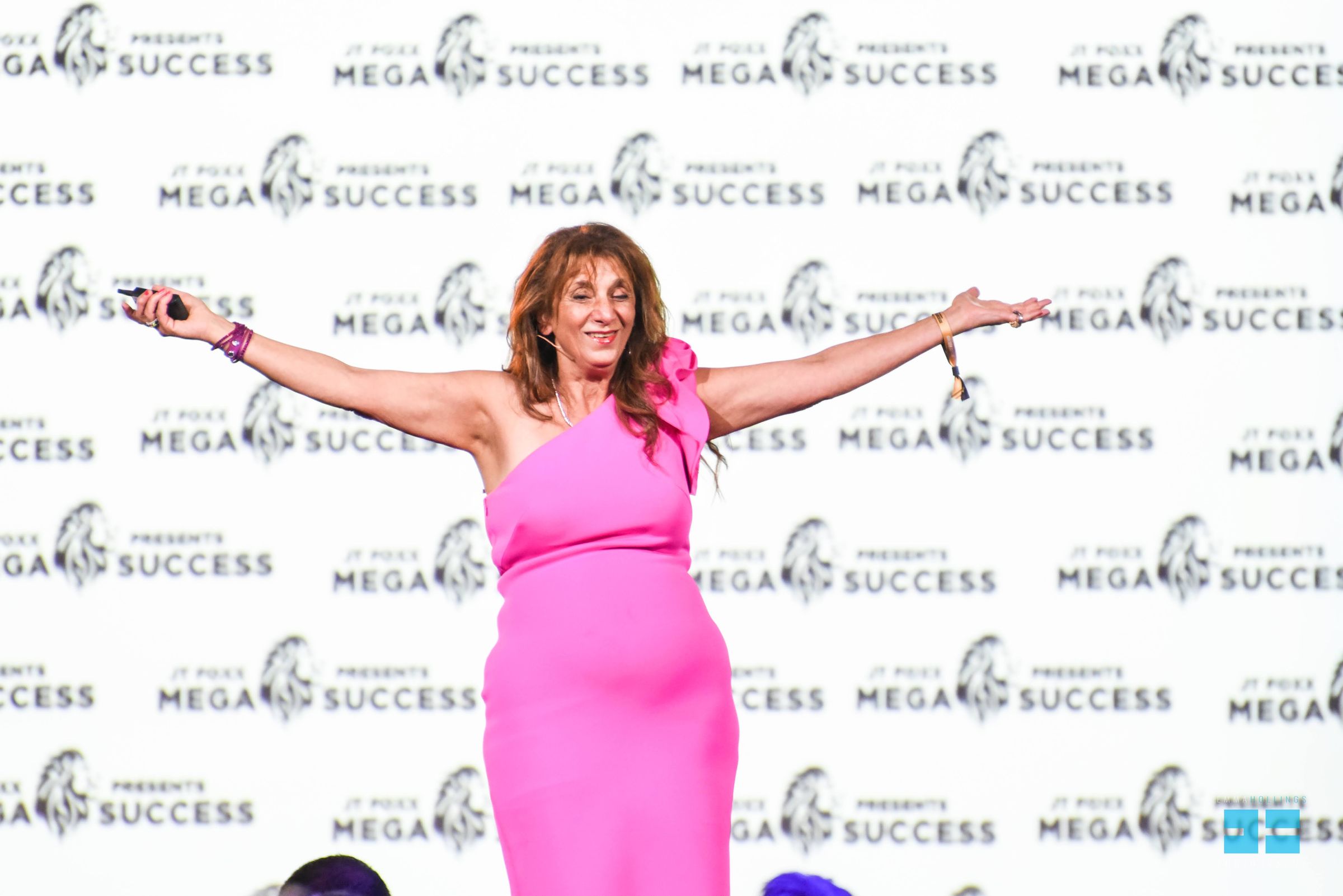
Dr. Dalal Akoury speaking on stage to a 2,000-person audience about Western medicine.
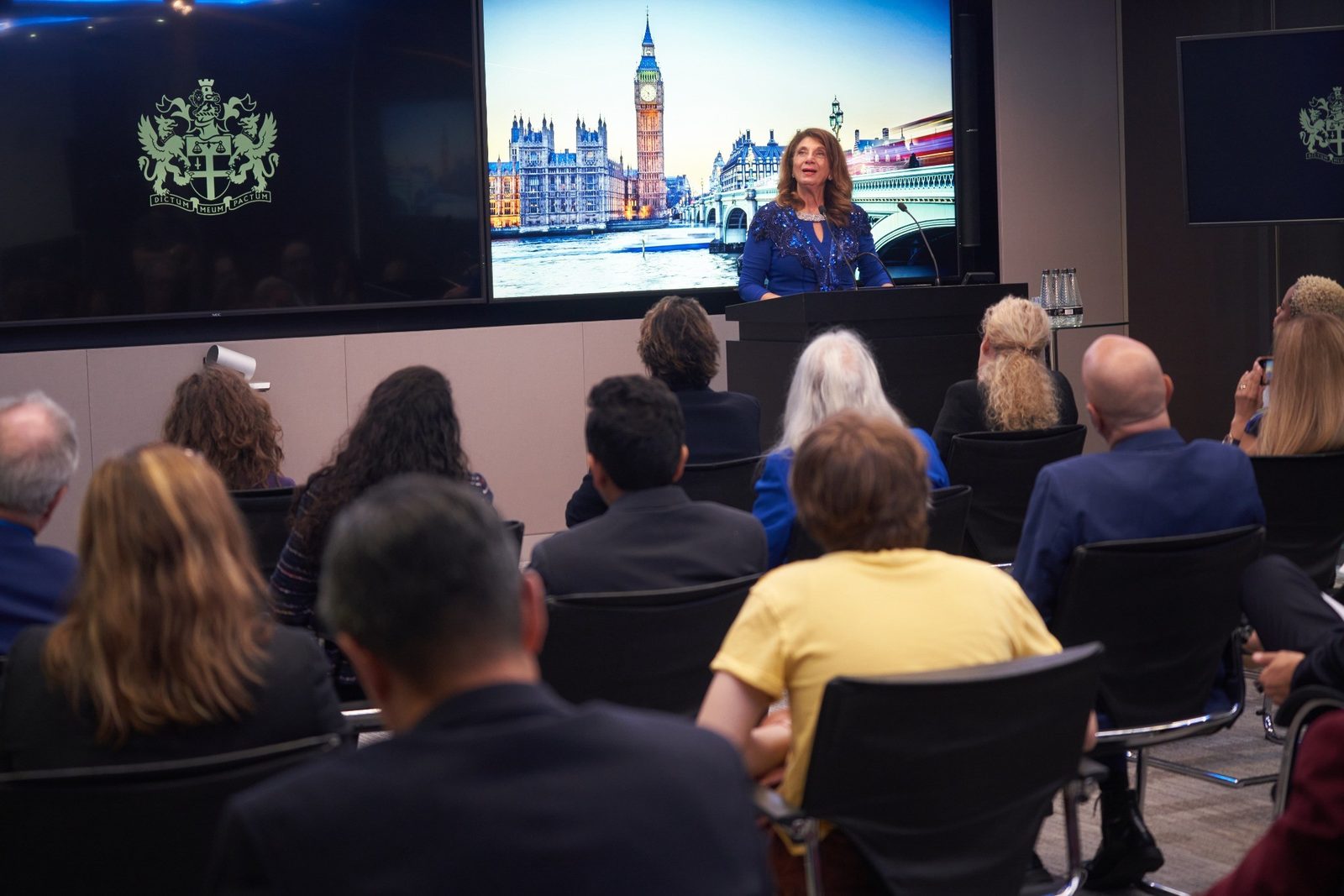
Dr. Dalal Akoury speaking at the London Stock Exchange to doctors and pharmacists about healthcare leadership.
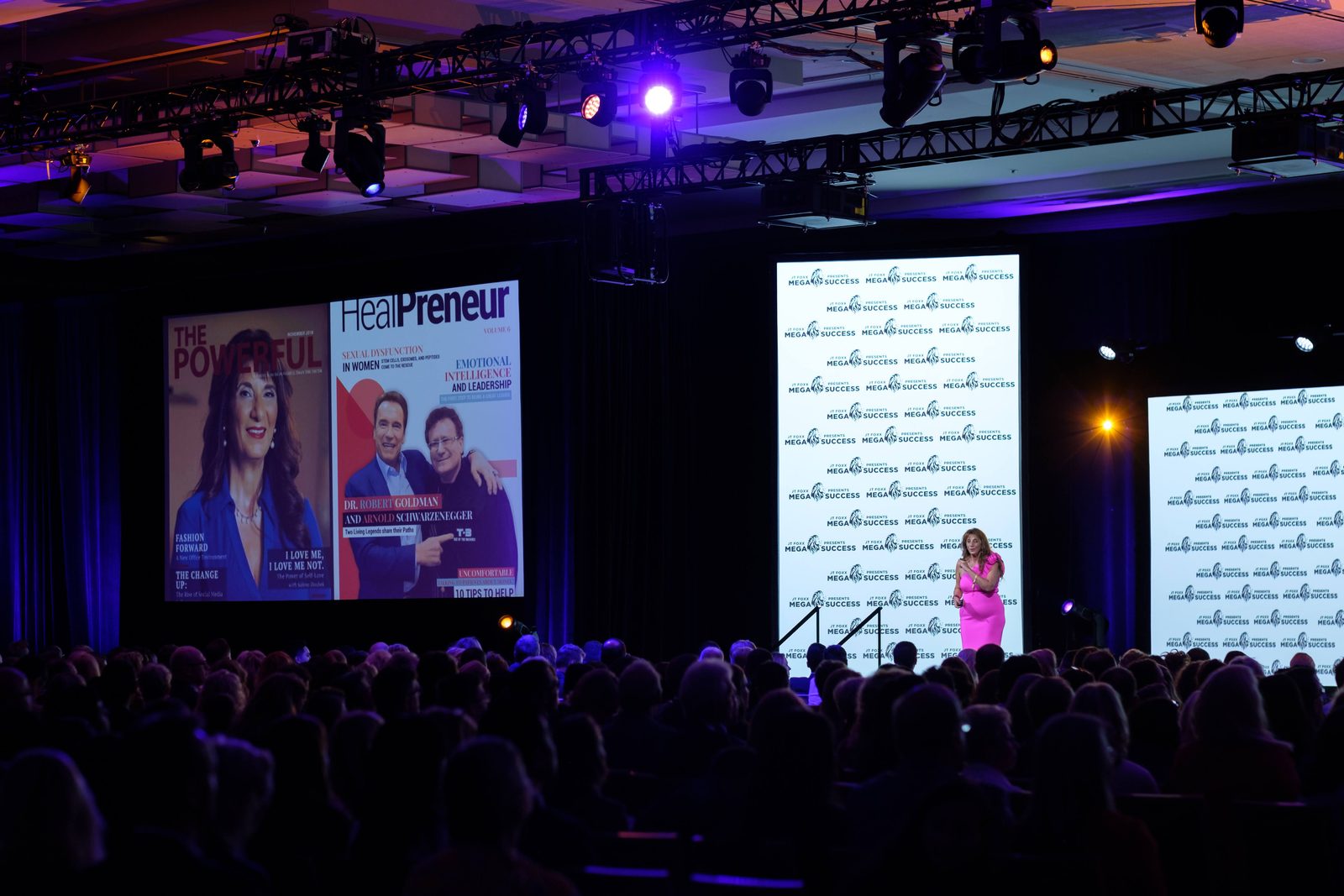
Dr. Dalal Akoury Speaks to 2,000 Attendees at HealPreneur on Integrative Medicine, Leadership, and Longevity.
Dr. Dalal Akoury Speaks at The College of Physicians of Philadelphia: 40+ Years in Integrative Medicine.
Dr. Dalal Akoury Speaks to 4,000 Entrepreneurs in Johannesburg, South Africa on Integrative Medicine & Peak Performance.
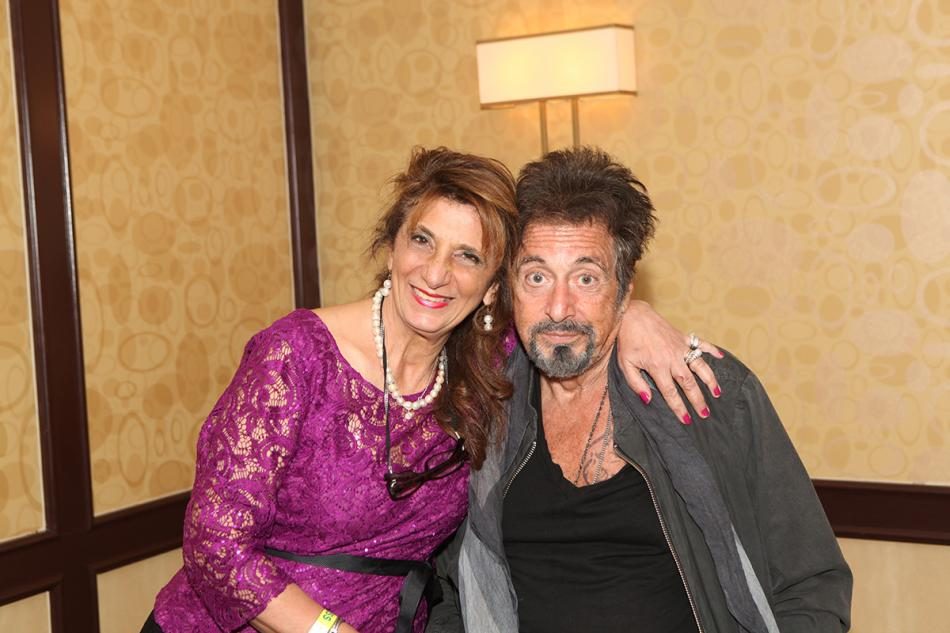
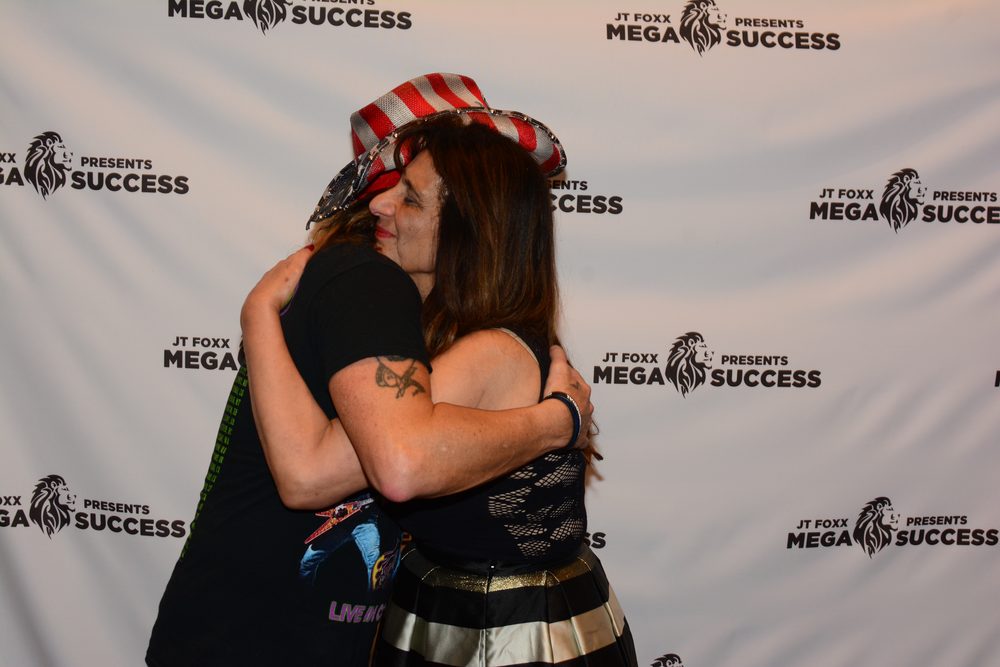
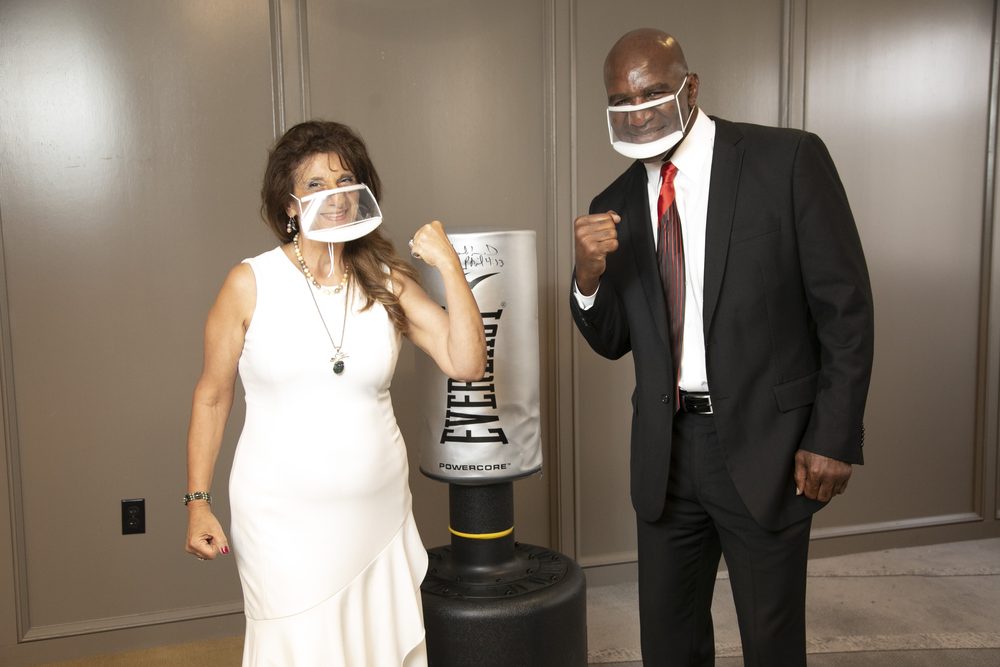
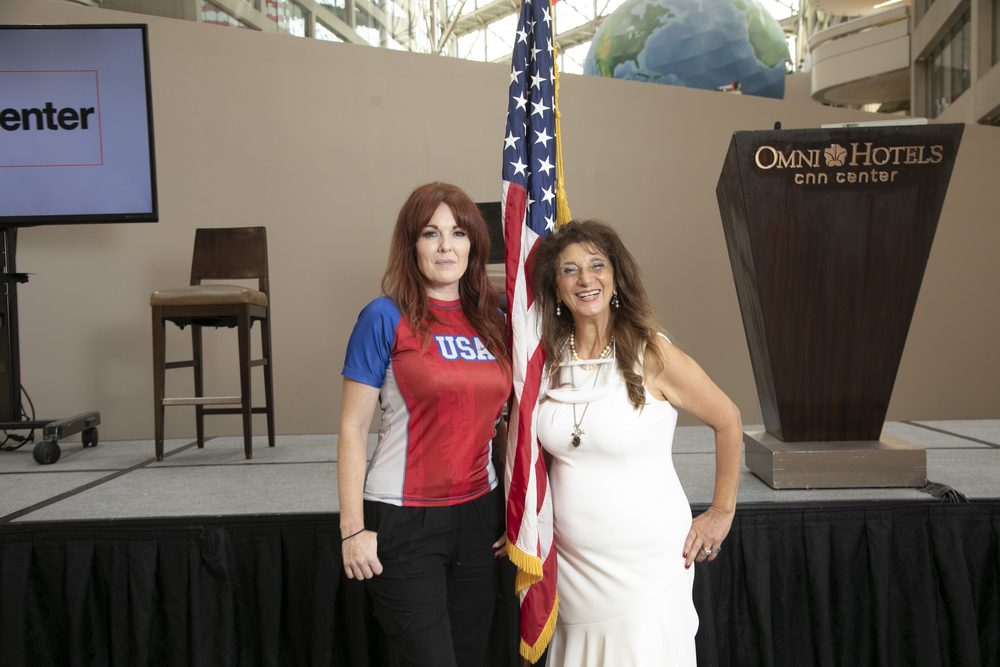
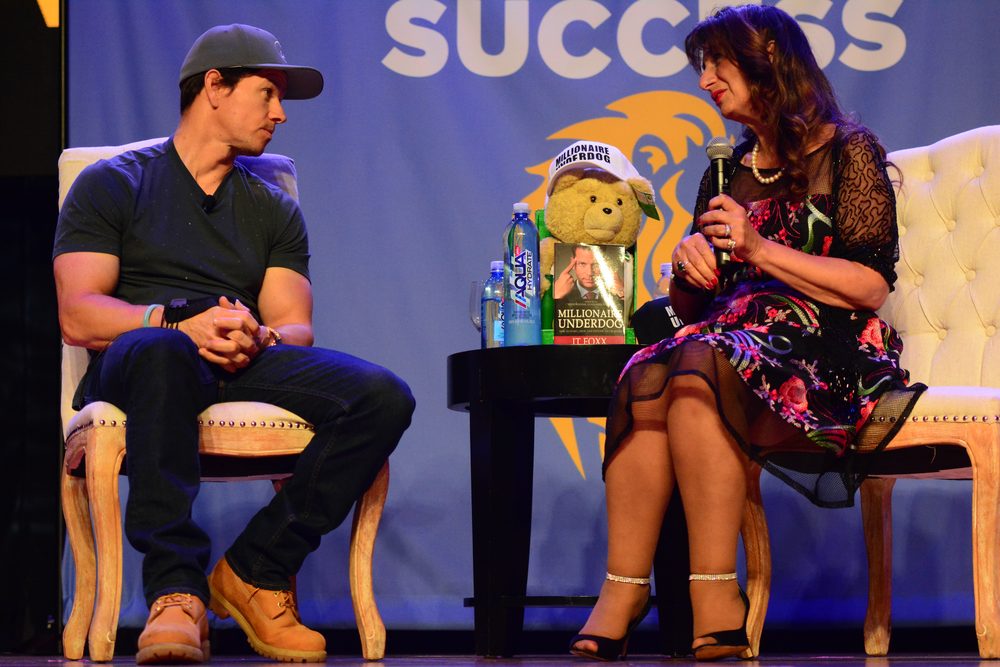
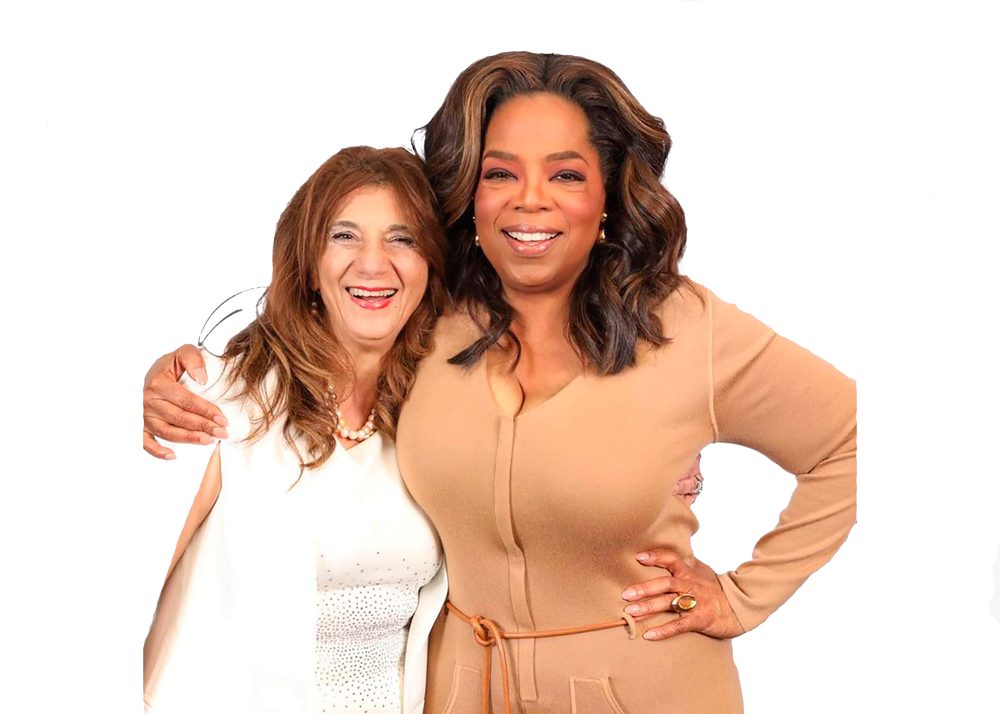
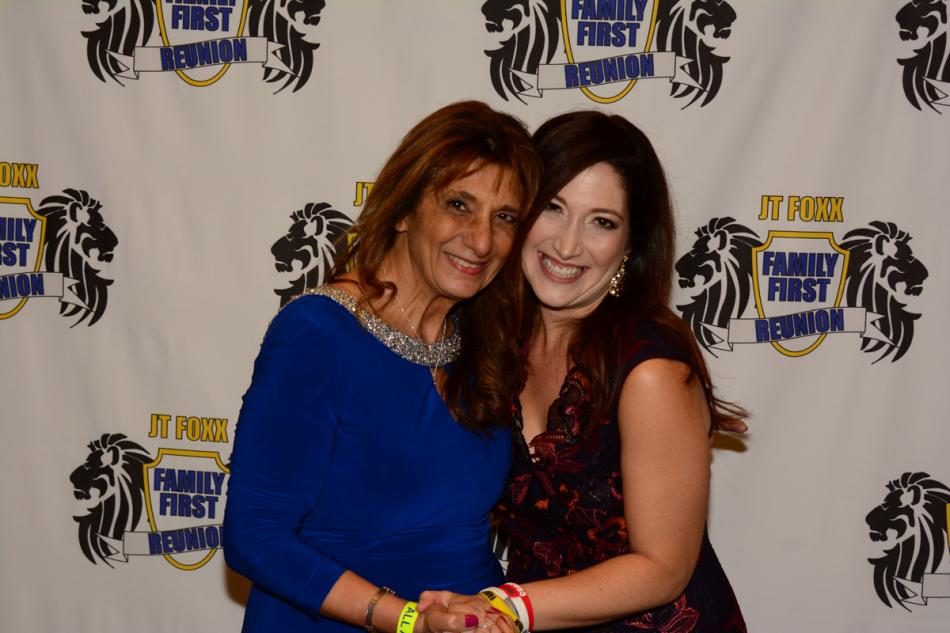
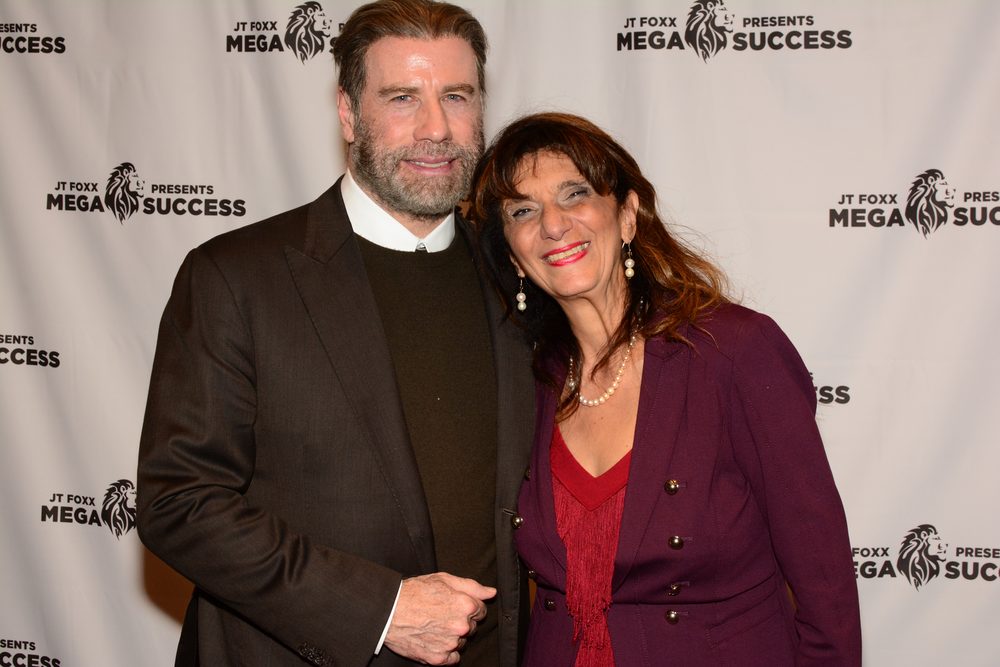
The World's Most Influential Leaders & Icons
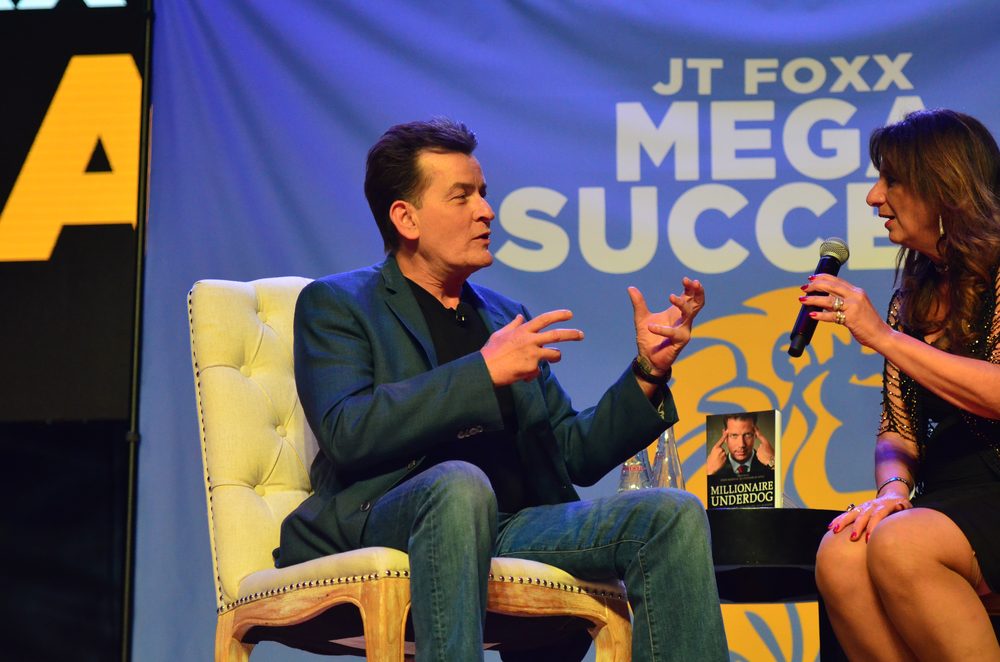
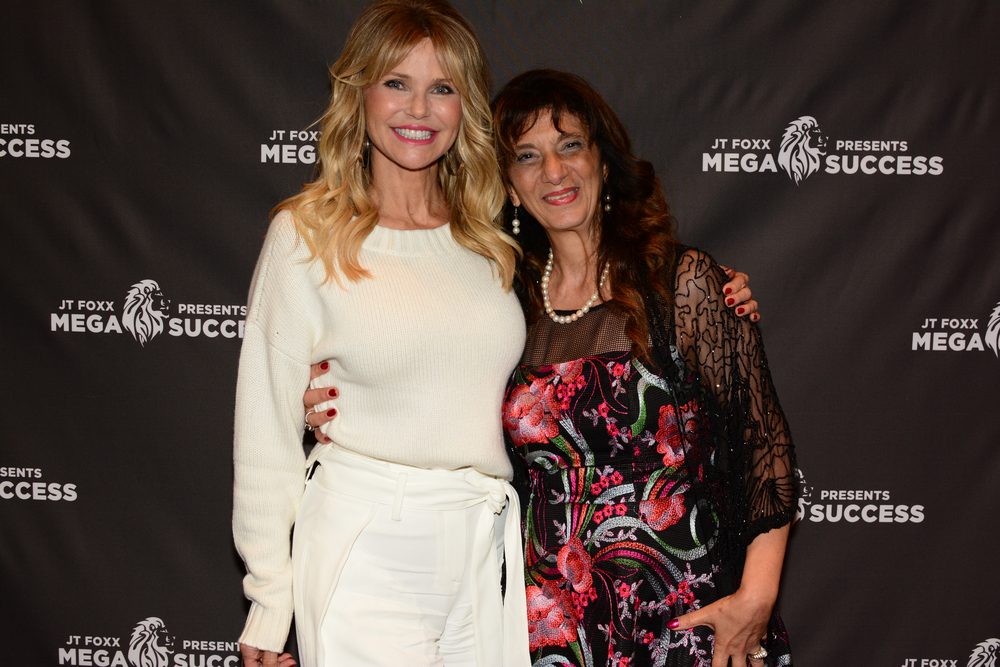
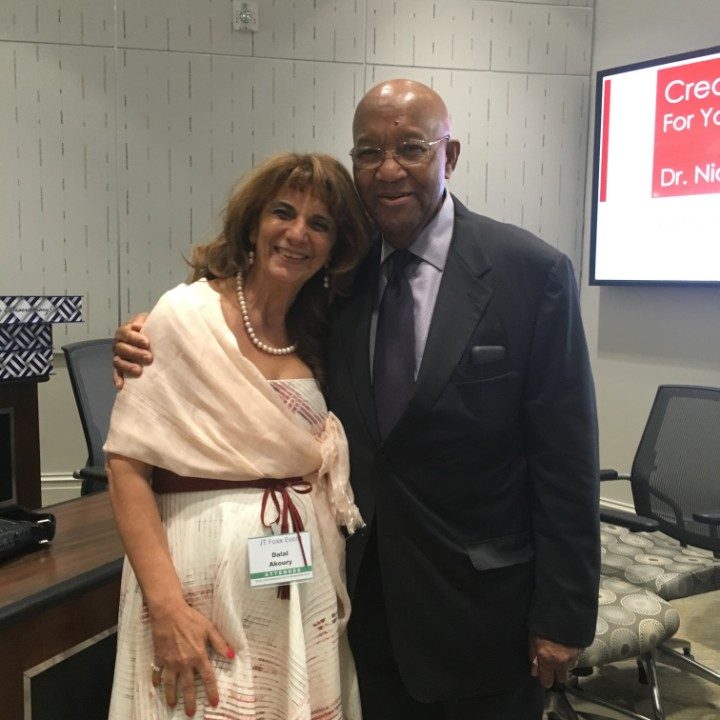
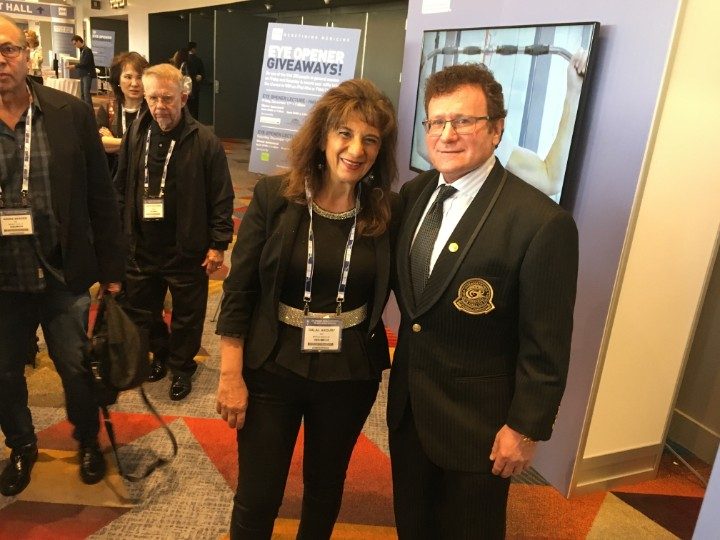
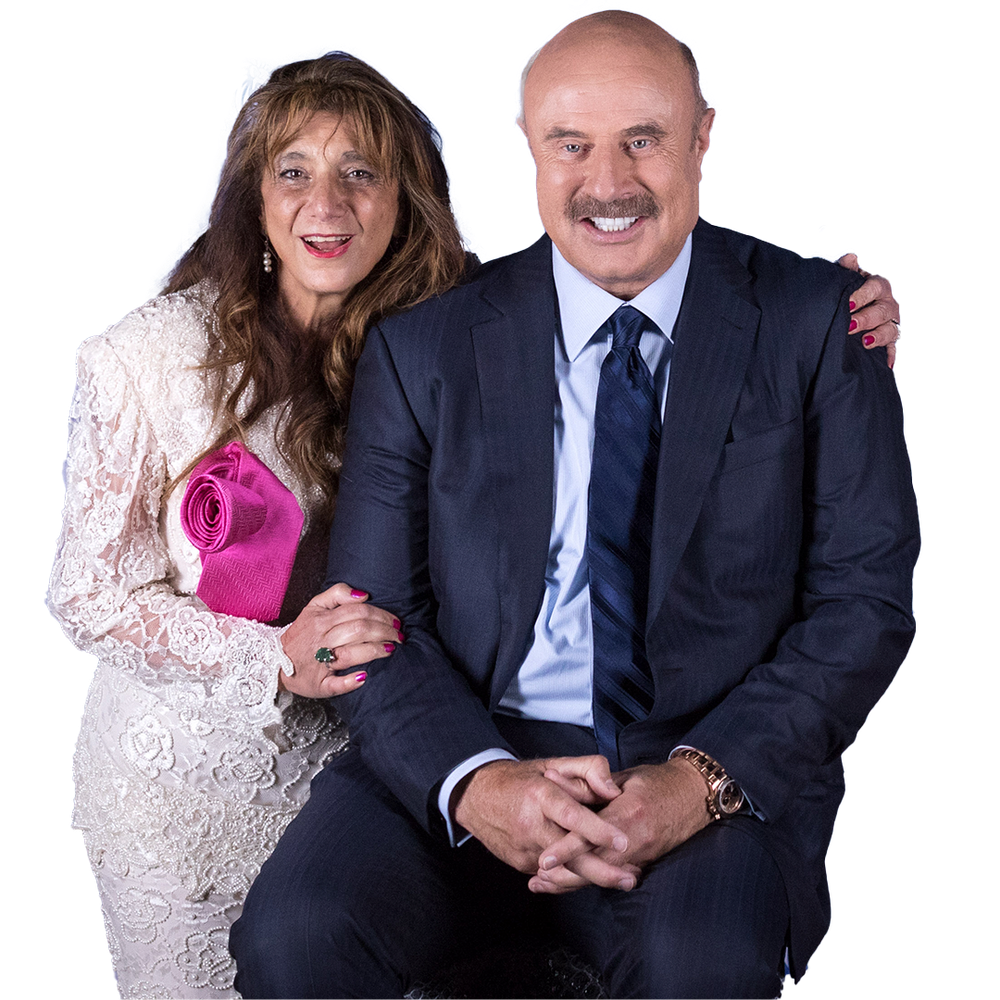
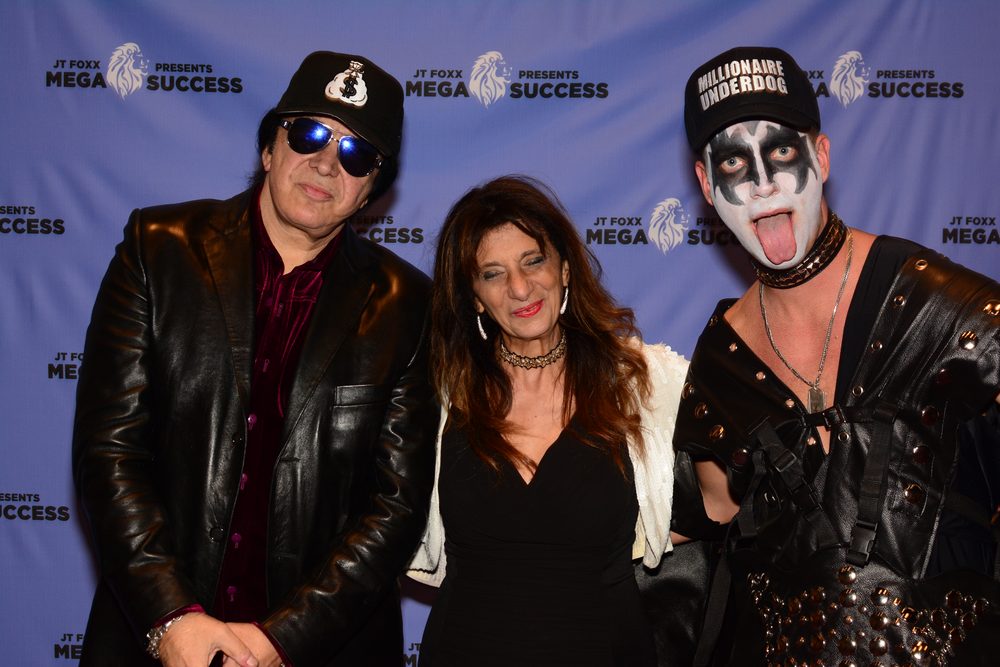
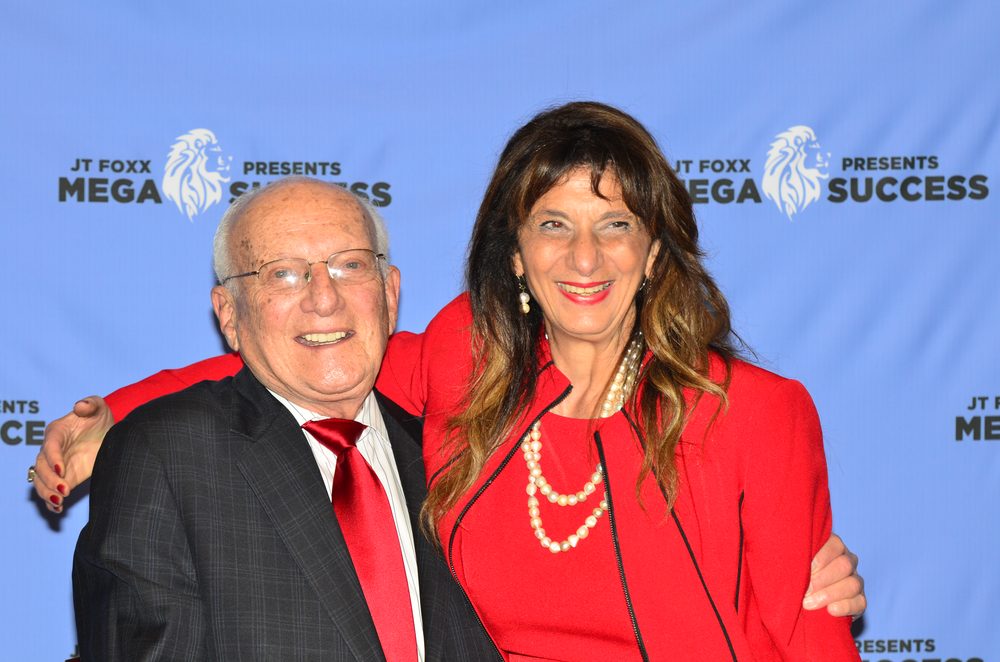
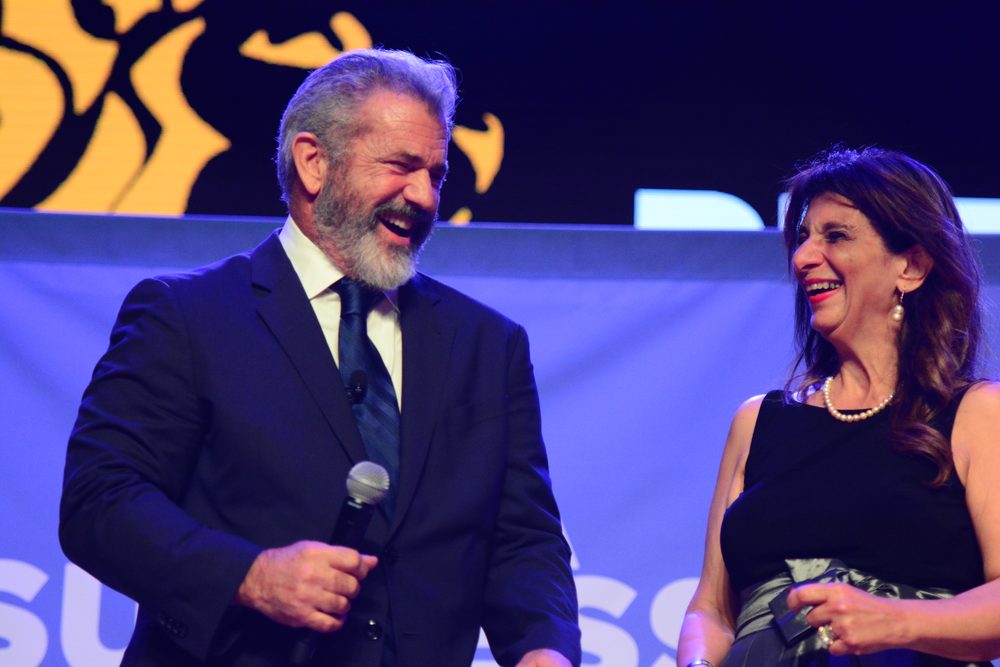
Seen & Heard












In Her Own Words
Interviews, keynotes, and conversations on cancer, longevity, addiction epigenetics, and whole-person healing.
These 20 tiles are placeholders — swap real YouTube video IDs into the WATCH_VIDEOS list near the bottom of this file and they'll play inline, right here.
My Most Meaningful Work Is Still Ahead
This is not a story that ends with accomplishments. It continues — in the physicians yet to be trained, the science yet to be written, and the institutions yet to be built.
Medical Education
Training a new generation of physicians to think in systems — and to see the whole person.
Cancer Metabolism
Advancing the science and teaching of metabolic oncology through research and a forthcoming textbook.
AI in Healthcare
Exploring how artificial intelligence can extend clinical reasoning, education, and access to care.
Centers of Excellence
Building durable institutions and international collaborations designed to outlast any single career.
After forty years in medicine, I no longer ask how many patients I can treat. I ask how many physicians I can help teach.
If They Forget Everything Else — Remember This
Be curious before you are certain.
Never let science make you forget compassion.
Every diagnosis belongs to a human being.
A legacy is not what you accomplish. It is what you multiply.
I measure my work by what continues after me — the books that keep teaching, the students who become teachers, the physicians who carry these ideas into rooms I will never enter. None of it is about a single career. Each is a seed planted for people I will never meet.
The greatest legacy a physician can leave is not a single treatment or a clinic, but a generation equipped to care for people more wisely than we did. That is the work I hope outlives me.
Where Do You Wish to Begin?
Whether you wish to begin a conversation, invite Dr. Akoury to teach or speak, explore a professional collaboration, or learn more about her work, you are warmly welcome.